Yes, in both states, if you're 16 or older. North Carolina requires a license to fish its public waters, split by water: an inland license for inland waters, a Coastal Recreational Fishing License (CRFL) for coastal waters, and either one in the joint waters where the two meet. South Carolina splits by water too, with separate freshwater and saltwater licenses. In both, catch-and-release still needs a license. The main exceptions are anglers under 16, private ponds, North Carolina's July 4 Free Fishing Day, and in South Carolina, a licensed charter boat or public pier.
Below: North Carolina first (which license, what it costs, exemptions, seniors, crabbing, charters and the new harvest reporting), then South Carolina (the same questions), then a quick comparison.
Do you need a fishing license in North Carolina?
Yes. The NC Wildlife Resources Commission (NCWRC) puts it this way in its 2026-27 regulations digest: anyone 16 or older who uses bait or gear to catch finfish in North Carolina public waters needs a valid North Carolina fishing license. That covers catch-and-release, fishing with live bait, and fishing from the surf. There's no bait or cane-pole exemption.
Which license depends on the water:
- Inland waters: the State Inland Fishing license, which also covers public mountain trout waters and joint waters.
- Coastal waters, including the ocean and the surf: the Coastal Recreational Fishing License. It covers coastal and joint waters, but not inland waters.
- Joint waters, the stretches of river and sound managed by both agencies: either license works.
- Both: residents can buy a Unified Inland/Coastal license that covers all three.
Annual licenses run 12 months from the day you buy them. NCWRC sells them online through Go Outdoors North Carolina.
What the coastal license costs
The NC Division of Marine Fisheries lists these CRFL prices:
| License | Resident | Nonresident |
|---|---|---|
| Annual CRFL | $20 | $40 |
| 10-day CRFL | $9 | $15 |
| Annual Unified Inland/Coastal | $51 | Not sold |
| Lifetime CRFL, adult | $326 | $652 |
NCWRC adds a $5 transaction fee to each order.
Who's exempt in North Carolina?
NCWRC lists these exceptions:
- Under 16. No fishing license of any kind.
- Private ponds. No inland license is needed for a pond that lies wholly on the land of one owner or group of owners, with no way for fish to move in from public waters. A pond on public land, such as at a state university, doesn't count.
- Landowners. Someone who owns or leases land used primarily for farming, with their spouse and dependents under 18 who live with them, can fish that land without a license.
- July 4. On Free Fishing Day, nobody needs a license in public waters, including coastal and trout waters.
- Military on leave. North Carolina residents serving outside the state can fish without a license during leave of 30 days or less, carrying their military ID and leave papers.
- The subsistence waiver. Residents who receive Medicaid, food stamps or Work First Family Assistance can get a free Unified Inland/Coastal license waiver from their county Department of Social Services.
- Special licenses. State law also exempts holders of the Lifetime Fishing License for the Legally Blind and the Adult Care Home Resident Fishing License from the coastal license.
Fishing license for seniors in North Carolina
There's no discount at 65. At 70, residents can buy senior lifetime licenses for a fraction of the regular price: the Division of Marine Fisheries lists the senior lifetime CRFL at $20. Residents 50 and older also get a reduced price on lifetime sportsman licenses.
Disabled veterans rated 50% or more disabled by the VA, and residents who are totally and permanently disabled, can apply for discounted lifetime licenses.
Do you need a fishing license to crab in North Carolina?
Not for the simplest gear. The Division of Marine Fisheries' recreational crabbing guide says you need no license:
- To set one crab pot per person from a private pier or shoreline with no public access. A pier where the public pays to fish doesn't count.
- For chicken necking or legging.
- For collapsible crab traps whose largest open dimension is 18 inches or less, and that stay collapsed in the water except while you're raising or lowering them.
Anything beyond that, such as more crab pots, takes a Recreational Commercial Gear License (RCGL), which allows up to five pots. Recreational crab limits apply either way.
On a charter boat in North Carolina
For-hire captains and vessels can buy a blanket coastal license that covers everyone fishing aboard who doesn't hold their own CRFL. The blanket covers coastal waters only, not joint or inland waters, so ask the captain where you'll fish. On an ocean pier, ask the pier whether its anglers need their own CRFL.
North Carolina's harvest reporting: report what you keep
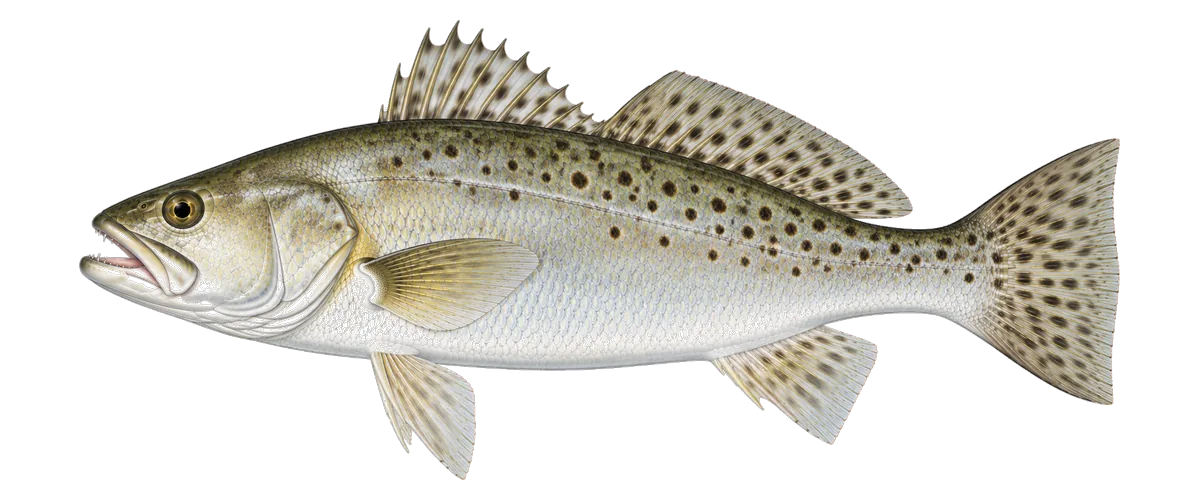
Since December 1, 2025, North Carolina law requires recreational anglers to report every red drum, flounder, speckled trout, striped bass and weakfish they keep. Released fish don't need reporting.
- When: by midnight the day after you keep the fish.
- How: online through the Division of Marine Fisheries' Mandatory Harvest Reporting form, or on a paper report card.
- Enforcement: the first year brought verbal warnings. From December 1, 2026, the state moves to warning tickets, and from December 1, 2027, a missed report is an infraction with a $35 fine.
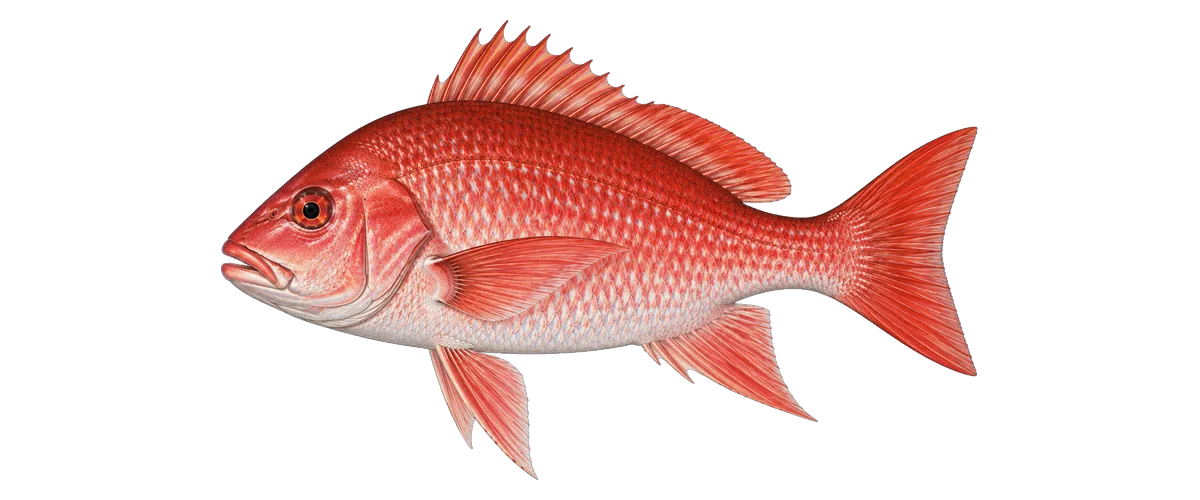
Before you report a fish, make sure it was legal to keep. North Carolina's red drum rules, from the data Taklbox checks your catch against:
Taklbox saves every catch with its photo, place, bait, tide and moon, so the details of the fish you kept are on your phone when you fill out the report.
Do you need a fishing license in South Carolina?
Yes. The South Carolina Department of Natural Resources (SCDNR) requires a freshwater license to fish fresh water and a saltwater license to fish salt water, for anyone 16 or older.
In salt water, SCDNR's FAQ spells out who needs one: anyone 16 or older fishing "from shore, boat, private dock, free public dock or while wading," including the beach. Anyone actively fishing on a dock counts, whether they're holding a rod or pulling in a crab trap, cast net or hand line.
Catch-and-release still needs a license. So does fishing from your own private dock.
What a South Carolina fishing license costs
SCDNR's current prices. Annual and three-year licenses are good for one or three years from the day you buy them:
| License | Resident | Nonresident |
|---|---|---|
| Freshwater, annual | $10 | $35 |
| Freshwater, 3-year | $30 | $105 |
| Freshwater, 14-day | $5 | $11 |
| Saltwater, annual | $15 | $75 |
| Saltwater, 3-year | $45 | Not sold |
| Saltwater, 14-day | $10 | Not sold |
| Saltwater, 7-day | Not sold | $35 |
| Saltwater, 1-day | Not sold | $10 |
Residents need 30 days of residency, judged by a South Carolina driver's license or ID. The resident Combination License covers hunting and freshwater fishing but not salt water, so add a saltwater license if you fish both.
Who's exempt in South Carolina?
- Under 16. South Carolina law exempts children under 16, unless they're fishing commercially.
- Private ponds. No freshwater license is needed in a private pond. A pond used for commercial purposes isn't private, though pay-to-fish lakes with a valid SCDNR aquaculture permit or registration also don't require the license.
- Charter boats and public piers. Anyone fishing aboard a licensed charter vessel or from a licensed public fishing pier doesn't need a saltwater license. SCDNR's FAQ adds that a friend's boat taking you out for free isn't a charter, even if it's normally a charter boat: "If it is not under hire, it is not legally a charter boat."
- Light crabbing gear. Someone using no more than three drop nets, three fold-up traps, or three hand lines with a single bait each and no hooks doesn't need a saltwater license.
- Free fishing days, fresh water only. On July 4 and the day the state observes Memorial Day, South Carolina residents can fish fresh water without a license. The exemption doesn't cover salt water.
- Disabilities. Residents with proof of disability can get a free three-year Disability Fishing License covering fresh and salt water.
Fishing license for seniors in South Carolina
South Carolina's senior age is 64, not 65. Residents who have reached 64 can buy a senior lifetime license for $9 that covers freshwater, saltwater and set-hook fishing. Residents born on or before July 1, 1940 can get a free Gratis License instead. A senior license from another state doesn't count in South Carolina.
Do you need a fishing license to crab or cast net in South Carolina?
Usually, yes. SCDNR requires a saltwater license for recreational crabbing and shrimping, for cast netting (bait included) and for every kind of gigging, whether from a boat or on foot. The exception is the light-gear rule above: three or fewer drop nets, fold-up traps or hookless hand lines. Shrimp baiting takes its own license and tags.
South Carolina's red drum rules, from the same data:
For every state's limits, see the redfish size limit by state and the speckled trout size limit by state.
North Carolina vs South Carolina at a glance
| North Carolina | South Carolina | |
|---|---|---|
| Age that needs a license | 16 and older | 16 and older |
| Licenses split by | Inland, coastal (joint waters take either) | Freshwater, saltwater |
| Senior break | Lifetime licenses at 70 | $9 lifetime license at 64 |
| Free fishing days | July 4, all public waters | July 4 and Memorial Day, fresh water, residents |
| Private ponds | No license | No freshwater license |
| Charters | Captain's blanket license, coastal waters | Licensed charter vessels exempt |
| Public piers | Ask the pier | Licensed public piers exempt |
The license is the first rule
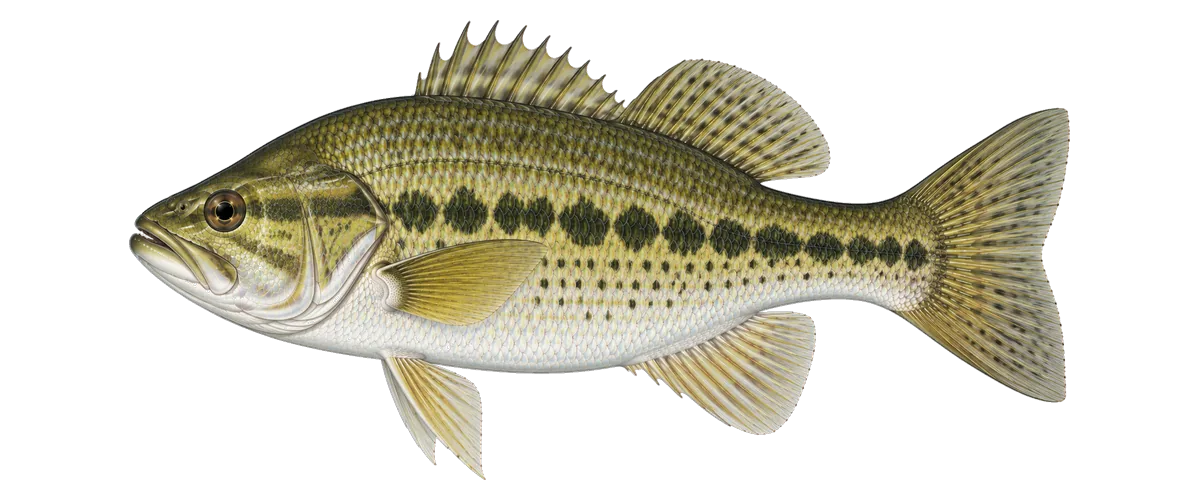
Both states regulate freshwater bass differently by lake, river and region. In North Carolina, largemouth bass rules vary by water across the state:
Snap the fish and Taklbox names it, measures it on iPhone Pro models, and checks the size, bag and season rules where you caught it, with a link to the official rules. For other states, see the Florida and Texas license guides.
Frequently asked questions
Do you need a fishing license in North Carolina to fish in the ocean?
Yes, if you're 16 or older: the ocean and the surf are coastal waters, which take a Coastal Recreational Fishing License. Passengers on a for-hire boat with a blanket license are covered by it.
Do you need a fishing license in North Carolina on private property?
Not in a private pond that lies wholly on one owner's land with no connection to public waters, and not for landowners fishing farmland they own or lease. Public waters that run through private land still need a license.
Do you need a fishing license in South Carolina for catch and release?
Yes. SCDNR requires a license for anyone 16 or older who is fishing, whether or not they keep anything.
Do you need a fishing license in South Carolina to crab?
Yes, unless you use three or fewer drop nets, fold-up traps or hookless hand lines. More gear than that, or commercial-style traps, takes a saltwater license.
Do you need a fishing license in North Carolina if using live bait?
Yes. NCWRC requires a license for anyone 16 or older who uses bait or gear to catch fish in public waters, and live bait is no exception.