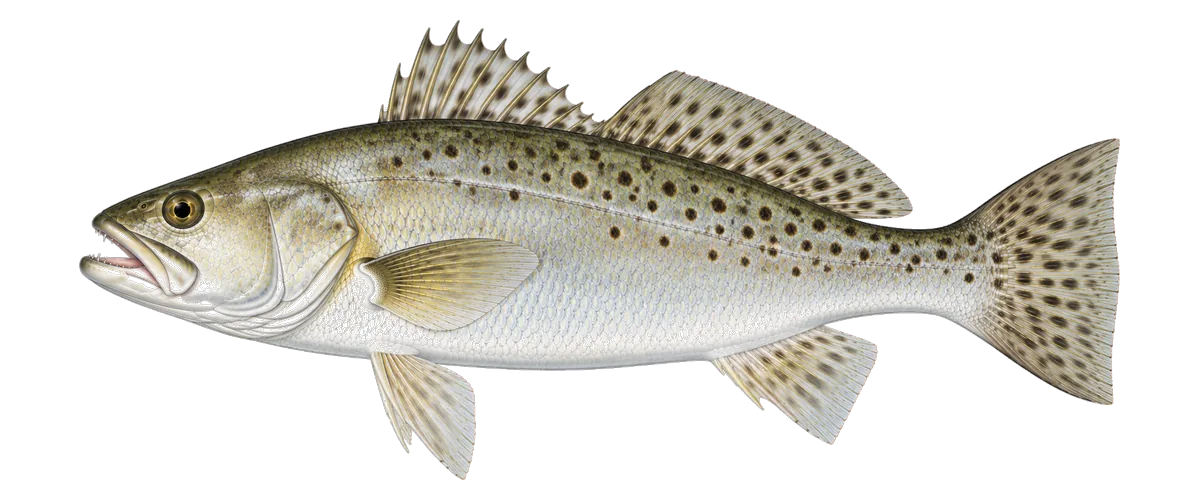
A bag limit, also called a creel limit, is the most fish of a species that one angler may keep in one day. It counts the fish you keep, not the fish you catch: a fish released right away doesn't count. A possession limit is the most you may have at one time, and depending on the state it's either the same as the daily bag or twice it. Many saltwater rules add a vessel limit, which caps the total for a whole boat no matter how many people are aboard.
Below: what a bag limit is and how it's counted, possession limits and why states differ on them, vessel and aggregate limits, the for-hire rules, how bag limits work with size limits, and real examples from the data Taklbox checks your catch against.
What is a bag limit?
A daily bag limit is the maximum number of a species, or a group of species, that one person may keep in a day. Florida defines the day exactly: a calendar day, the 24 hours from midnight to midnight.
A few things that catch people out:
- It's per person. Each angler has their own bag. On a boat, your fish are yours and your partner's are theirs, though the vessel limits below can cap the total.
- It counts fish kept, not fish caught. Catching and releasing more fish than the bag is fine. Once a fish goes in the cooler, it counts.
- Once you've kept your bag, you're done keeping that species for the day. Florida spells it out: you can't take a limit ashore and go back out for another the same day.
- "Creel limit" means the same thing. Some states say bag, some say creel, and freshwater regulations often say "daily limit."
Bag limit vs possession limit
A possession limit is the most fish of a species you may have at one time, and this is where states really differ:
- Florida: for most saltwater species, the daily bag limit is also the possession limit. You can't have more than one day's bag on the water or at the places where you fish, even on a multi-day trip. FWC makes an exception only for long for-hire trips, where passengers may hold two, or on Atlantic headboat trips of more than 48 hours, three daily bags of certain species.
- Texas: the Texas Administrative Code sets the possession limit at twice the daily bag for most fish, with exceptions. For flounder, possession equals the daily bag. The possession limit stops applying once the fish has reached your home and is finally processed.
- Wisconsin: the Department of Natural Resources also sets possession at twice the daily bag, but counts everything you possess or control, including the fish in your freezer at home. The possession limit doesn't reset with each day of fishing.
So two anglers who fish three days, one in Florida and one in Wisconsin, live under very different rules about what they can hold. Check the definitions for the state you're fishing, not just the numbers.
Vessel limits
A vessel limit, or boat limit, caps how many of a species can be kept on one boat, however many anglers are aboard. It's always the smaller of the two numbers that counts.
Florida's redfish rules show how this works. Each angler has a small daily bag, and each region also has a vessel limit, which is bigger in some regions than others. With a full boat, the vessel limit is reached before everyone has their bag.
Some vessel limits change with the season. Florida's mullet rule has a bigger vessel limit in spring and summer than in fall and winter, when the mullet run and spawn.
Vessel rules can also give, rather than take. Florida lets one speckled trout over the slot be kept per vessel, or per angler fishing from shore, in most regions. For more on slots, see what is a slot limit.
Aggregate bag limits
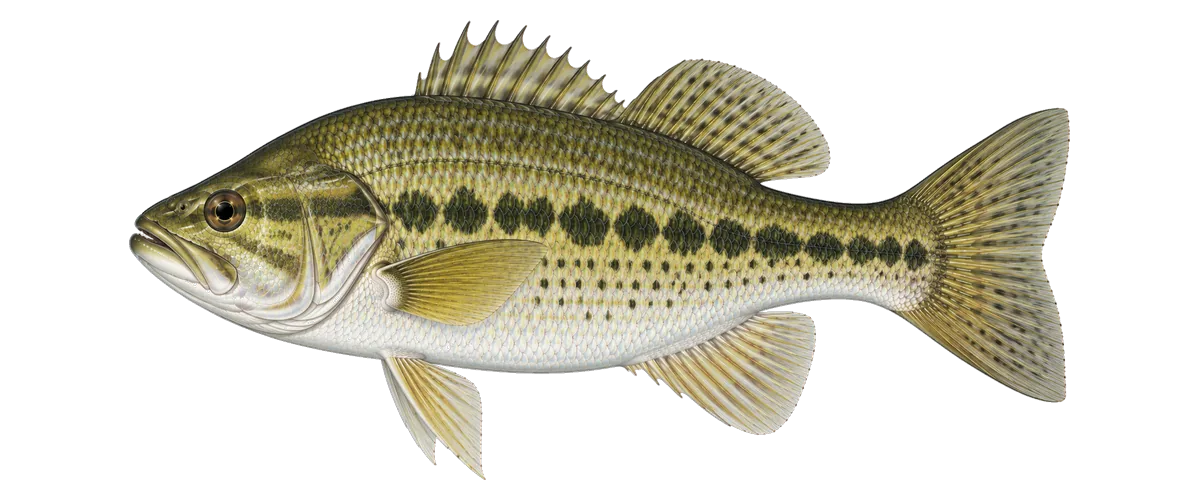
An aggregate bag limit covers several species together. Black bass rules often work this way: a single daily limit for largemouth, spotted and smallmouth bass combined, rather than one for each. Florida's mullet bag covers all its mullet species combined. When a rule says "in aggregate" or "combined," every fish of every species named counts against one number.
Louisiana's bass card shows aggregate limits, along with lakes and rivers that set their own:
Bag limits on charters and guided trips
For-hire trips have their own rules, and they vary by species and state:
- Florida bars the captain and crew of a for-hire vessel from keeping a bag limit of some species, including red drum and speckled trout. The customers' bags still count.
- Texas sets the bag for a guided party by the number of people in the boat licensed to fish, minus the guides and deckhands, multiplied by each species' bag limit.
If you fish with a guide, the guide will know the rules; if you run your own boat with friends, the vessel limit is yours to watch.
Bag limits and size limits work together
A bag limit says how many; a size limit says which ones. A fish has to pass both to be kept: it has to be legal size, and it has to fit in your bag. Many rules tie the two together, such as a slot with one fish over it allowed per vessel, or a bag that's smaller in one region than another.
A few more rules travel with the bag:
- Keep fish whole. Many states require regulated fish to stay in whole condition until you're ashore, so an officer can count and measure them.
- Giving fish away. Texas lets you give legally caught fish to someone else, but they must travel with a wildlife resource document naming who caught them, until they reach the receiver's home.
- Seasons override bags. When a species is closed, the bag is zero, as with Texas flounder during its fall closure.
How Taklbox counts for you
The bag is the easiest part of the rules to get wrong in the moment, especially with regions, vessel limits and seasons stacked on top. Snap the fish and Taklbox names it, measures it on iPhone Pro models, and checks the size, bag and season where you caught it, with a link to the official rules every time.
For whole-state roundups of size and bag limits, see the redfish size limits by state, speckled trout size limits by state and flounder size limits by state.
Frequently asked questions
What does bag limit mean in fishing?
The most fish of a species, or group of species, that one angler may keep in one day. Fish released right away don't count toward it.
Is a fishing bag limit per person?
Yes. Each angler has their own daily bag. Some saltwater rules also set a vessel limit that caps the total for the whole boat, and the smaller number applies.
What is the difference between a bag limit and a possession limit?
The bag limit is how many you may keep in a day; the possession limit is how many you may have at one time. In Florida they're usually the same for saltwater fish. In Texas and Wisconsin, possession is twice the daily bag, though Texas stops counting once the fish is processed at home and Wisconsin counts your freezer too.
What is a daily bag limit?
Another name for the bag limit: the number you may keep in one day. Florida counts the day from midnight to midnight.
Can you catch more than the bag limit if you release them?
Yes, in general. The bag limit counts fish you keep. Once you've kept your limit, you can keep fishing and release what you catch, unless the rules for that water say otherwise.