Yes, if you're 16 or older, unless you're an Alabama resident 65 or older. Everyone else needs a freshwater license for inland waters and a saltwater license for the coast, and catch-and-release counts as fishing. Residents also skip the license when they fish fresh water from the bank in their home county with a hook and line, and everyone fishes free on Free Fishing Day in June. On the coast, seniors and other residents who skip the license still sign up for the free Saltwater Angler Registry, and anyone 16 or older needs the $10 Reef Fish Endorsement to fish for snapper, grouper, amberjack and other reef fish.
Below: who needs one, catch and release, saltwater vs freshwater and where the line runs, what it costs, the Reef Fish Endorsement and Snapper Check, seniors and kids, bank and surf fishing, piers, state parks, private ponds, crabbing, charters, military and veterans, out-of-state anglers and Free Fishing Day.
Who needs a fishing license in Alabama?
The Alabama Department of Conservation and Natural Resources (ADCNR) answers it in one line: residents 16 to 64, and all nonresidents 16 and older, "must have the appropriate license." That leaves a short list of anglers who don't need one:
- Anyone under 16, resident or not.
- Residents 65 and older, with proof of age and residency on them.
- Residents fishing from the bank in their county of residence with ordinary hook and line, in fresh water.
- Residents fishing from a licensed public fishing pier in Alabama's inside waters.
- Residents home on military leave, with their leave papers.
- Anyone on a private pond, since licenses are only required in public waters.
- Everyone on Free Fishing Day, a Saturday in June.
Residency follows your driver's license. If you hold a license from another state, Alabama treats you as a nonresident, even if you also have an Alabama license.
Do you need a fishing license in Alabama for catch and release?
Yes. Alabama's saltwater rules cover anyone who catches or possesses fish or attempts to, so a line in the water is enough. Letting every fish go doesn't change which license you need.
Saltwater or freshwater: which license do you need?
It depends on which side of the line you're on. Alabama's Marine Resources Division runs the salt water, and the Wildlife and Freshwater Fisheries Division (WFF) runs everything else. A saltwater license is required south of a line that follows U.S. 90 and Interstate 10 across Mobile County and the top of Mobile Bay, then U.S. 98 and county roads through Baldwin County to Perdido Bay.
In practice:
- Salt water: the Gulf beaches, Dauphin Island, Mobile Bay, the Mississippi Sound, Perdido Bay and the bays and bayous of Gulf Shores and Orange Beach.
- Fresh water: the Mobile-Tensaw Delta above I-10, and every river and lake inland.
- Ponds inside the saltwater area still follow WFF's freshwater rules.
The boundary map shades the saltwater area in blue. If your spot sits close to the line, Marine Resources answers boundary questions at (251) 861-2882.
The saltwater license covers more than rod and reel. Alabama also requires it for cast netting, flounder gigging, bowfishing and recreational crab traps, and spearfishing takes a separate spearfishing license on top of it.
How much is an Alabama fishing license?
ADCNR's prices for the 2026-2027 license year:
| License | Resident | Nonresident |
|---|---|---|
| Freshwater, annual | $17.45 | $68.20 |
| Freshwater, 7-day trip | $38.05 | |
| Freshwater family, 3-day trip (up to 4 family members added) | $38.05 | |
| Saltwater, annual | $30.90 | $66.80 |
| Saltwater, 7-day trip | $12.65 | $36.65 |
| Saltwater pier | $7.80 | $14.85 |
| Gulf Reef Fish Endorsement | $10 | $10 |
| Saltwater Angler Registry | Free | |
| Wildlife Heritage (bank fishing statewide) | $14.30 |
A resident who fishes both fresh and salt water pays $17.45 plus $30.90, and $10 more for reef fish.
Neighbors pay different prices. Alabama sets some nonresident fees by reciprocal agreement with Florida, Georgia, Louisiana, Mississippi and Tennessee. For 2026-2027, Florida residents pay $48.20 for an annual saltwater license and $30.20 for a 7-day trip. Louisiana residents pay $129.20 for a saltwater license that also covers fresh water, or $70.60 for freshwater alone. Mississippi residents pay $75.42 for freshwater.
Every annual license expires August 31, whatever day you buy it. A license bought in July runs out in a few weeks, so if you won't fish until the fall, wait for the new license year on September 1.
Buying one. ADCNR sells licenses online, by phone at 1-888-848-6887, at county probate offices and license commissioners, at WFF district offices and through license agents, including stores like Walmart, Academy and Bass Pro Shops. Online and phone sales can carry a convenience fee.
The Reef Fish Endorsement and Snapper Check
Alabama is red snapper country, and its reef fish come with paperwork other states don't have.
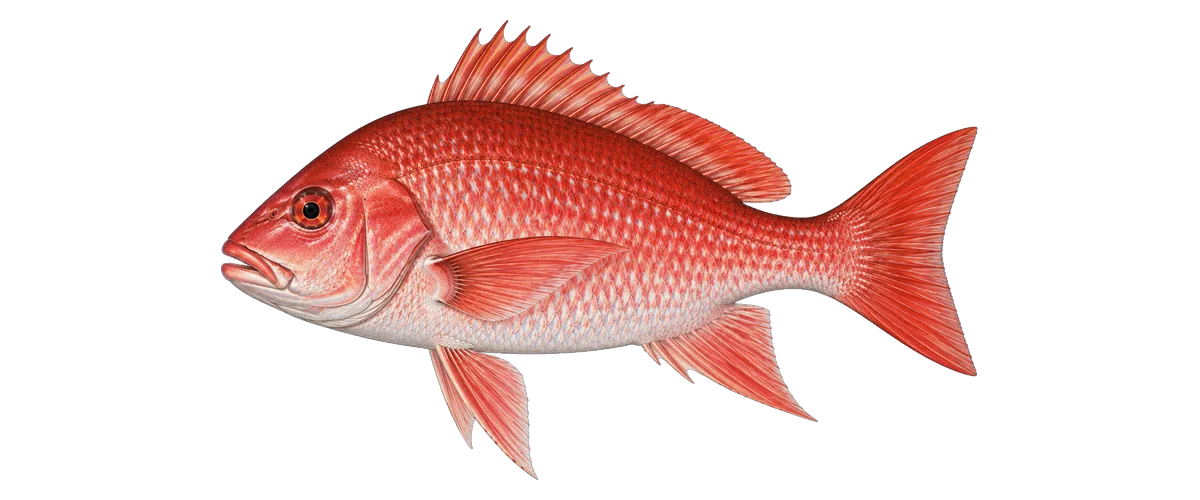
The Reef Fish Endorsement is required for anyone 16 or older who takes, possesses or tries to catch Gulf reef fish: red, vermilion, mangrove and lane snapper, gag, red grouper and scamp, greater amberjack, gray triggerfish, hogfish, tilefish and the rest of the list in ADCNR's rule. It costs $10 and applies to everyone, including residents 65 and older, lifetime license holders, pier license holders and anglers on trip licenses. You can add it with a checkbox when you buy your license online.
Snapper Check is Alabama's mandatory harvest report. If you keep red snapper, gray triggerfish or greater amberjack, you file one Snapper Check report per vessel trip, before the fish are landed in Alabama. The state sets its red snapper season each year and closes it when the quota is met, so check ADCNR's Snapper Check page before you run offshore.
In federal waters, the federal DESCEND Act also requires a venting tool or descending device rigged and ready whenever you fish for reef fish.
Do you need a fishing license in Alabama if you're over 65?
Not if you live in Alabama. Residents 65 and older don't need to buy a freshwater or saltwater fishing license, but they have to carry proof of age and residency, like an Alabama driver's license. Three things still apply:
- The Saltwater Angler Registry, free, to fish salt water.
- The Reef Fish Endorsement, $10, to fish for reef fish.
- A spearfishing license, to spearfish.
Seniors who want to keep supporting conservation can buy optional 65+ licenses at the regular price, or a voluntary Senior Lifetime license.
Nonresidents get no senior break. ADCNR says it plainly: there's no exemption for nonresidents over 65, so a visiting 70-year-old buys the same license as a visiting 30-year-old.
What age do you need a fishing license in Alabama?
At 16. Anglers under 16 don't need a license, resident or not, and the registry and the Reef Fish Endorsement also start at 16. A 15-year-old can fish the Gulf for snapper with no license, registry or endorsement.
Do you need a fishing license to fish from the bank in Alabama?
In fresh water, sometimes not. Alabama residents can fish from the bank in their county of residence with ordinary hook and line and no license, as long as they carry proof of residency. Fish from a boat, from the bank in another county, or with anything beyond a hook and line, and you need a license.
To bank fish anywhere in the state, residents can buy the Wildlife Heritage license, which covers hook and line from the bank statewide. It comes free with a resident freshwater license.
In salt water, yes. The bank exemption is a freshwater rule. Alabama's saltwater pages list no exemption for shore anglers, so surf fishing on the beach at Gulf Shores or Dauphin Island takes a saltwater license, unless you're under 16, a resident 65 or older, or it's Free Fishing Day.
Do you need a fishing license to fish off a pier in Alabama?
Usually, but it can be a cheaper one.
- The saltwater pier license costs $7.80 for residents and $14.85 for nonresidents, for anglers who fish only from piers. It doesn't include reef fish, so add the endorsement if you're after mangrove snapper off the pilings.
- Licensed public fishing piers in inside waters: residents can fish from these without buying a license, but must sign up for the free Saltwater Angler Registry first.
- Your own pier on a public lake or river: ADCNR says normal license rules apply, so you need a freshwater license.
Gulf State Park Pier in Gulf Shores charges its own fishing fee, currently $10 a day for adults, with discounts for veterans and park guests and free fishing for kids 11 and under. That fee doesn't include a license, so bring a saltwater or pier license too.
Looking for a pier or a ramp before you go? Taklbox Pro maps both.
Do you need a fishing license in Alabama state parks?
Yes. Alabama's state parks follow the same license rules as anywhere else. ADCNR's Free Fishing Day page says no license is needed at state parks that one day, which tells you one is needed the rest of the year. Parks charge their own entry fees on top.
The state's Public Fishing Lakes, run by WFF in many counties, work differently. They charge a daily permit even for licensed anglers, and even on Free Fishing Day. Alabama also sells a license that's good only on those lakes.
Do you need a fishing license on private property in Alabama?
Not on a private pond. ADCNR says fishing licenses are only required in public waters, so a private lake or pond needs only the owner's permission. Public water that runs past private land is still public water, and a private pier or dock on it doesn't change that.
Do you need a fishing license to crab in Alabama?
For crab traps, yes. Alabama lets each angler fish up to five recreational crab traps with an annual or 7-day saltwater license. Traps aren't allowed in the Mobile Delta north of I-10 or near marked channels, public ramps and public piers, and in a list of rivers, creeks and canals they must be tied to a dock or the shore. Marine Resources' blue crab handout has the full list.
ADCNR's pages don't say whether hand lines and dip nets need a license. If you're crabbing off a dock without traps, ask Marine Resources at (251) 861-2882 before you go.
Fishing on a charter out of Orange Beach or Gulf Shores
If the boat holds an Alabama Commercial Party Boat license, you don't need your own saltwater license. ADCNR says passengers on a licensed party boat may fish Alabama waters and land fish caught in state or federal waters without buying one. Licensed charter boats buy a Reef Fish Endorsement for the vessel too. When you book, ask the captain whether the boat holds the party boat license.
Military, veterans and disability licenses
- Active duty, home on leave: Alabama residents on leave can fish without a license if they carry proof of leave and residency.
- Stationed in Alabama: nonresident service members can buy resident licenses, and the residency rules extend that to spouses and dependents.
- Disabled veterans: resident veterans with a VA disability rating of at least 20% can buy the Veterans Appreciation license, $3.65 for freshwater, with a saltwater version too.
- Residents with disabilities: residents who are 100% permanently disabled can buy a physically disabled fishing license, $3.55 for freshwater, also with a saltwater version.
Both disability licenses go through your county probate office, the license commissioner or ADCNR's Montgomery office, with the paperwork listed on ADCNR's site. Neither has a nonresident version.
Out-of-state anglers
- Visitors 16 and older need a nonresident license: annual, or the 7-day trip licenses for a beach week.
- Families fishing fresh water can share the nonresident Family 3-day trip license, which adds up to four immediate family members to one license.
- College students from out of state, ages 17 to 23 at an approved Alabama school, can buy resident licenses.
- Perdido Bay is split between Alabama and Florida, and Alabama's license rules apply on its side of the line. For Florida's side, see do you need a fishing license in Florida.
Alabama Free Fishing Day
Each year ADCNR picks a Saturday in June when anyone can fish Alabama's public waters, fresh and salt, without a license. In 2026 it fell on June 13. The day waives the saltwater license and the Reef Fish Endorsement too, but not Public Fishing Lake permits, state park entry fees, or the fees some piers charge. Size, bag and season rules still apply.
Once you're licensed: the rules
Alabama manages redfish with a slot. The card below is the data Taklbox checks your catch against, with a link to Marine Resources' rules:
The fish that cost people are the ones right at the edge of the slot. On iPhone Pro models, Taklbox measures the fish from the photo you take of it. To do it by hand, see how to measure a fish.
Speckled trout have a size range too, with room for one bigger fish:
Alabama closes flounder for part of the fall, and the closed month is on its card:
For how the other Gulf and Atlantic states compare, see the redfish size limit by state, the speckled trout size limit by state and the flounder size limit by state.
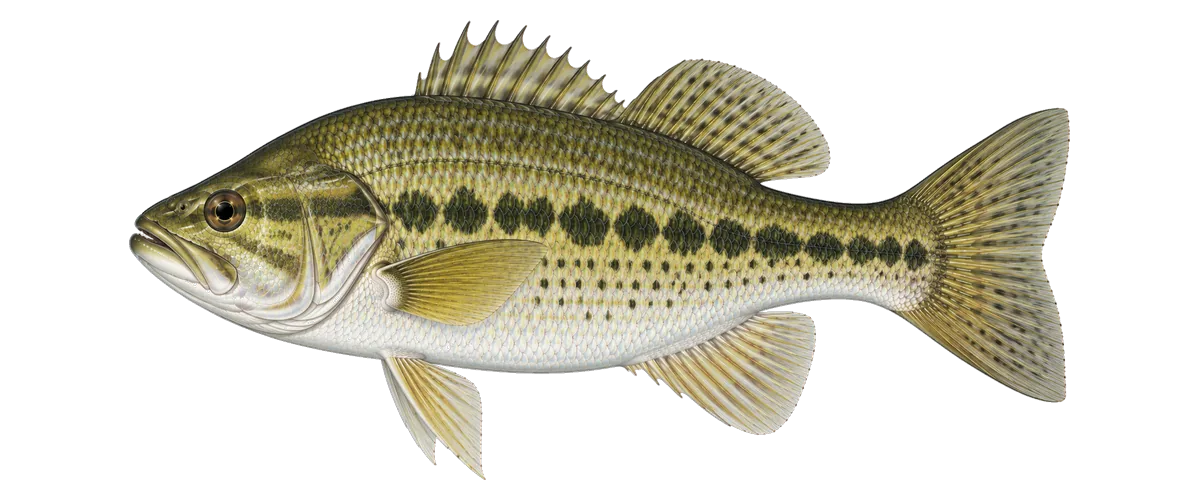
Freshwater anglers have more to check, because Guntersville, Pickwick, Lake Eufaula and several other reservoirs carry bass rules of their own:
Snap the fish and Taklbox names it, measures it on iPhone Pro models, and checks the size, bag and season rules where you caught it, with a link to Alabama's rules every time. For how creel limits and possession work, see what is a bag limit.
Frequently asked questions
Do you need a fishing license in Alabama for catch and release?
Yes. The license covers attempting to catch fish, not just keeping them, so anyone 16 or older who isn't exempt needs one even if every fish goes back.
What age do you need a fishing license in Alabama?
At 16, for residents and visitors alike. Residents stop needing one at 65.
Do you need a fishing license in Alabama if you're over 65?
Not if you're an Alabama resident: carry proof of age and residency instead. You still need the free Saltwater Angler Registry for salt water and the $10 Reef Fish Endorsement for reef fish. Nonresidents over 65 need a license.
Do you need a saltwater fishing license to surf fish in Gulf Shores?
Yes. The Gulf beaches are in Alabama's saltwater area, and the resident bank-fishing exemption applies only in fresh water. A 7-day trip license is the cheapest option for a beach week.
How much is an Alabama fishing license?
For residents in 2026-2027, $17.45 for freshwater and $30.90 for saltwater. Nonresidents pay $68.20 and $66.80 for annual licenses, or $38.05 and $36.65 for 7-day trips.