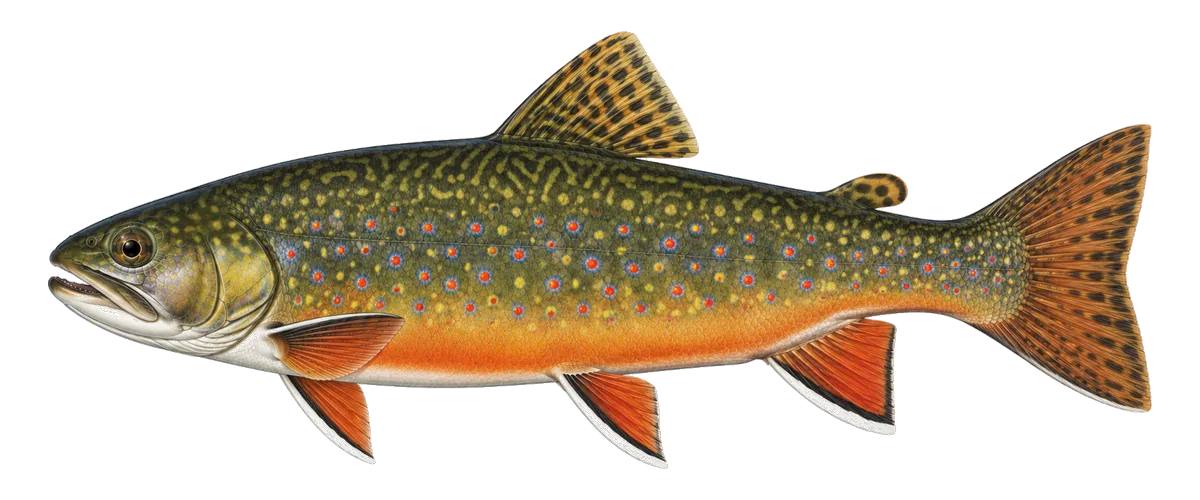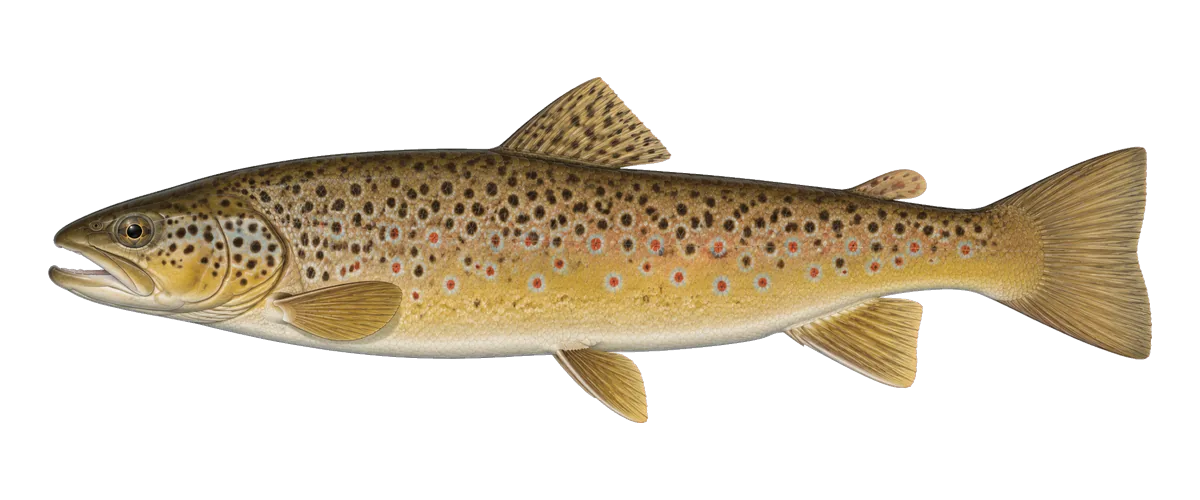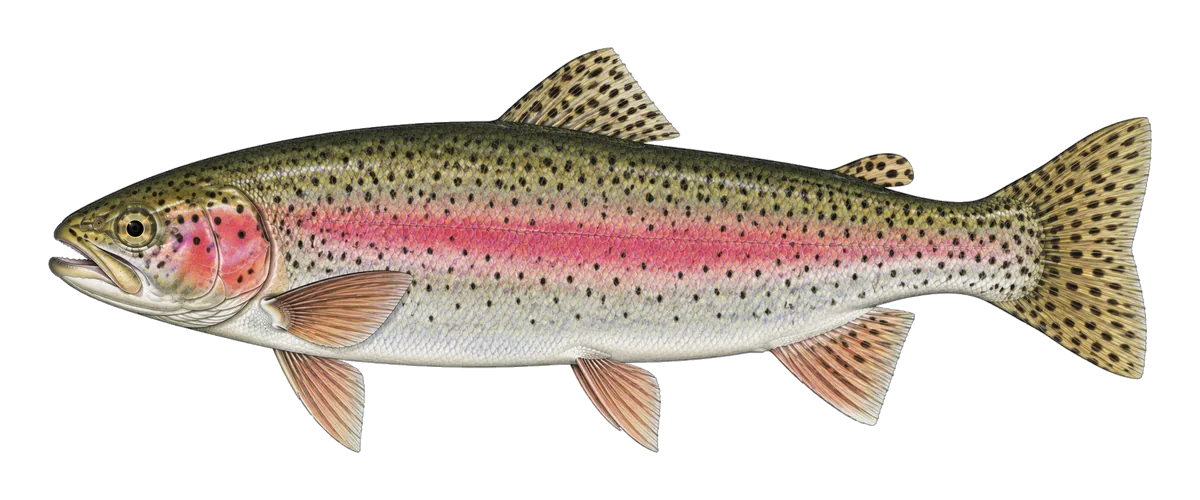
Gatlinburg stocks trout in four streams that run right through town. Anglers 13 and older need the $11 One-Day Gatlinburg Trout License, or a Tennessee license with trout privileges plus a Gatlinburg permit, which resident seniors skip. The streams close every Thursday for stocking. From December 1 through March 31, every trout goes back and only single-hook flies, spinners and spoons are allowed. The rest of the year, you can keep trout and fish bait.
Below: the license and permit, the four streams and the children's water, the Thursday closure and fishing hours, the winter catch-and-release season, how to fish it, and where Gatlinburg's rules stop and the national park's begin.
Do you need a license to fish in Gatlinburg?
Yes, from age 13. The Tennessee Wildlife Resources Agency (TWRA) and the City of Gatlinburg run the program together, and you have two ways in:
- The $11 One-Day Gatlinburg Trout License. TWRA calls it the "only requirement" to fish Gatlinburg for one day, for residents and nonresidents 13 and older. It's the simplest choice for a visitor who wants a morning on the river.
- A Tennessee license that covers trout, plus a Gatlinburg permit: $3 for one day or $9 for three days. Residents 13 to 64 and nonresidents 13 and older need the permit on top of their license.
Who skips the permit:
- Kids 12 and under don't need a Tennessee license or a Gatlinburg permit.
- Resident seniors 65 and older need their senior license, which includes trout, but not the Gatlinburg permit.
Tennessee licenses need trout privileges to fish for trout. Residents 16 to 64 add the trout supplement to their license, junior and senior licenses already include trout, and nonresidents buy the "All Species, includes Trout" version. For prices and the rest, see do you need a fishing license in Tennessee.
Buying it: like most Tennessee licenses, online through Go Outdoors Tennessee or at TWRA license agents such as sporting goods and hardware stores. TWRA also points anglers to the Gatlinburg trout facility, (865) 436-7549, and the Gatlinburg Chamber of Commerce, 1-800-568-4748, for local information.
The Gatlinburg trout streams
TWRA lists four general streams, each running from the national park boundary down through town:
- West Prong of the Little Pigeon River, from the park boundary down to Gnatty Branch. It's the main river through Gatlinburg.
- Dudley Creek, from the park boundary down to the West Prong.
- Roaring Fork, from the park boundary down to the West Prong.
- LeConte Creek, from Painter Branch down to the West Prong.
Upstream of the park boundary, the same water is inside Great Smoky Mountains National Park, under the park's rules, not the city's. More on that below.
Gatlinburg's children's streams
Some stretches are set aside for kids 12 and under, unless a sign says otherwise. Adults can't fish them.
- LeConte Creek, from Painter Branch upstream to the park boundary.
- West Prong of the Little Pigeon River, from the North Park Lane bridge at Herbert Holt Park down to the Gatlinburg Bypass bridge.
- Dudley Creek, from the U.S. 441 bridge down to the West Prong.
The children's streams have a smaller daily limit than the general streams, and kids 12 and under fish them free. It's one of the easiest places in the Smokies to put a young angler on a trout.
When you can fish: Thursdays, hours and the season
- Closed every Thursday, year-round, for stocking.
- Open from 30 minutes before sunrise to 30 minutes after sunset the other six days.
- One hand-held rod, single hook only, all year.
- Open all year otherwise, with a catch-and-release season in winter.
Because the streams are stocked during the Thursday closure, Friday is the first day on newly stocked fish.
Free Fishing Day: on Bobby Wilson Free Fishing Day, the West Prong along River Road, from Maples Lane up to the park boundary, is closed to anglers 16 and older until 11 a.m.
Gatlinburg's winter catch-and-release season
From December 1 through March 31, on every Gatlinburg stream:
- Every trout goes back right away, and you can't have any in your possession.
- No bait, in use or in your possession.
- Only single-hook artificial flies, spinners and spoons. One dropper fly with a single hook is allowed, tied off a legal lure on its own length of line.
From April 1 through November 30, bait and artificial lures are both allowed and you can keep trout under the city's daily limits, which differ for the general streams and the children's streams. TWRA's trout regulations list them. Those city limits aren't on file in Taklbox yet, so check TWRA's page before you keep fish.
How to fish for trout in Gatlinburg
These are stocked trout in small, clear, rocky streams, and most of the water is in plain sight of the sidewalk.
- Keep it light. A short ultralight spinning rod or a small fly rod is plenty for these streams.
- Single hooks only, all year. Swap the treble on an inline spinner or spoon for a single hook before you go, since a treble isn't legal here in any season.
- Spring through fall, stocked trout take a small spinner or spoon, a worm or other bait drifted along the bottom through the pools, or a nymph under an indicator.
- In winter, bait is out, so fish small single-hook spinners and spoons slowly through the deeper pools, or nymphs and small streamers on a fly rod.
- Fish the pools. Stocked trout gather in the slower, deeper water first, especially below the riffles.
- Go early. The streams run through the middle of a busy tourist town, and early mornings are usually the quietest.
Caught one? Snap it before it goes back or into the cooler and Taklbox logs it with the photo, the place, the bait and the conditions, private unless you share it.
Gatlinburg vs. the national park
Gatlinburg sits at the edge of Great Smoky Mountains National Park, and the West Prong, Roaring Fork, Dudley Creek and LeConte Creek all come down out of the park. The rules change at the boundary:
| Gatlinburg streams | Inside the national park | |
|---|---|---|
| License | One-day Gatlinburg license, or a Tennessee license with trout privileges plus the city permit, from 13 | A Tennessee or North Carolina license from 16, no trout stamp |
| Bait | Allowed April through November | Never |
| Lures | Single hook only | Single-hook artificial flies and lures only |
| Thursdays | Closed | Open |
| Stocked | Yes | No, the park's trout are wild |
| Limits | The city's | The park's own |
The National Park Service says special permits are required for fishing in Gatlinburg, and Gatlinburg's permit covers only the city's streams. Inside the park, the National Park Service's rules apply, listed on its fishing page. For the park's streams and how to fish them, see Smoky Mountains trout fishing.
Trout water outside Gatlinburg and the park
Gatlinburg's program ends at the edge of its four streams. On other Tennessee trout water outside the park, you need a Tennessee license with trout privileges and no city permit, and the statewide trout rule applies unless TWRA lists the water with rules of its own:
On iPhone Pro models, Taklbox measures the trout from the photo you take of it. To do it by hand, see how to measure a fish.
Frequently asked questions
Do you need a permit to fish in Gatlinburg?
Yes, from age 13, unless you buy the $11 One-Day Gatlinburg Trout License, which covers everything for a day. Otherwise you need a Tennessee license with trout privileges plus a $3 one-day or $9 three-day Gatlinburg permit. Resident seniors 65 and older skip the permit.
Why can't you fish in Gatlinburg on Thursdays?
The streams close every Thursday for stocking. You can fish the other six days, from 30 minutes before sunrise to 30 minutes after sunset.
Can you use bait in Gatlinburg?
From April 1 through November 30, yes, on a single hook. From December 1 through March 31, no: only single-hook artificial flies, spinners and spoons, and every trout goes back.
Do kids need a fishing license in Gatlinburg?
Not at 12 and under. Kids 12 and under fish free, and they have their own children's streams on LeConte Creek, Dudley Creek and the West Prong.
Can you keep the trout you catch in Gatlinburg?
From April through November, yes, within the city's daily limits. From December 1 through March 31, every trout has to be released.