The Juno Beach Pier, at 14775 U.S. Highway 1 in Juno Beach Park, runs 990 feet into the Atlantic. Loggerhead Marinelife Center manages it and lists its hours as sunrise to sunset. Fishing costs $5 a day, or $3 for anglers 12 and under, and walking the pier costs $2. The pier holds a fishing license that covers everyone fishing from it, so you don't need your own. Right now the "T" section at the end is closed for assessment and repair after high surf, and a refurbishment of the pier has been underway since June 2026.
Below: the prices, hours and rules, what's closed, how to fish the pier from the beach end to the T-head, what bites each season, and the limits on what you keep.
Juno Beach Pier hours and prices
Loggerhead Marinelife Center, which has managed the pier since 2014, posts these rates:
| Pass | Price |
|---|---|
| Daily fishing | $5 |
| Daily youth fishing, 12 and under | $3 |
| Daily fishing, veterans | $3 |
| Daily spectator | $2 |
| Daily spectator, veterans | Free |
- Hours: sunrise to sunset, on Loggerhead's pier page. Florida Sportsman reported in 2024 that night fishing is offered only from November through February, to keep lights off nesting and hatching sea turtles the rest of the year. Call the pier at 561-855-6185 to check this winter's hours before a night trip.
- License: "Juno Beach Pier holds a fishing license for anglers, so no additional fishing license is required to fish from the pier," Loggerhead's page says. Palm Beach County's parks page says the same: the admission fee includes the license while you fish from the pier.
- Rentals and bait: the Pier House has a snack bar, a gift store, tackle, bait and rental poles. Florida Sportsman's 2024 guide put a rod and reel rental at $15, pier entry included.
- Lessons: Loggerhead offers private fishing lessons on the pier, from $25, for ages 8 and up.
- The park: the pier sits in Juno Beach Park. The county allows saltwater fishing from the pier but not in the guarded swimming area, and the park has restrooms and outdoor showers.
- Live cams: Loggerhead runs a live cam of the pier and an underwater cam, handy for checking the surf and the water clarity before you drive over.
Is the Juno Beach Pier open?
Yes, with parts closed. As of November 2026:
- The T-head is closed. Both Loggerhead and the county say the pier has reopened with the "T" section at the end closed for assessment and repair after recent high surf.
- The refurbishment. Construction to refurbish the pier began on June 1, 2026, after routine inspections found it needed upgrades. The work is phased to avoid closing the whole pier, with sections closed while crews are on them. In late September, Loggerhead said work would resume on October 5 between the pier house and the first shade structure. Its estimate for the whole project was about six months.
Loggerhead posts weekly updates on the sections under construction on its pier page, so check it the morning you go.
Juno Beach Pier rules
From Florida Sportsman's 2024 guide to the pier:
- No directed shark fishing. Any shark you hook has to be brought in close and the line cut. Heavy shark tackle and chumming aren't allowed.
- No balloons to float baits out. Sea turtles eat them, mistaking them for jellyfish, and the county bans balloons in the whole park.
- No straws and no alcohol.
- Three rods per angler, at most.
Sea turtles. The pier is the home of Loggerhead's Responsible Pier Initiative, which puts rescue nets and signs on participating piers and runs workshops for pier staff on helping sea turtles injured on or around a pier. Its divers clean up line under the pier, and have pulled more than 1,014 miles of monofilament from under Juno and its partner piers. If you hook a turtle, tell the pier staff, and report an injured sea turtle to FWC at 888-404-3922.
How to fish the Juno Beach Pier
Florida Sportsman describes the pier as three fisheries in one:
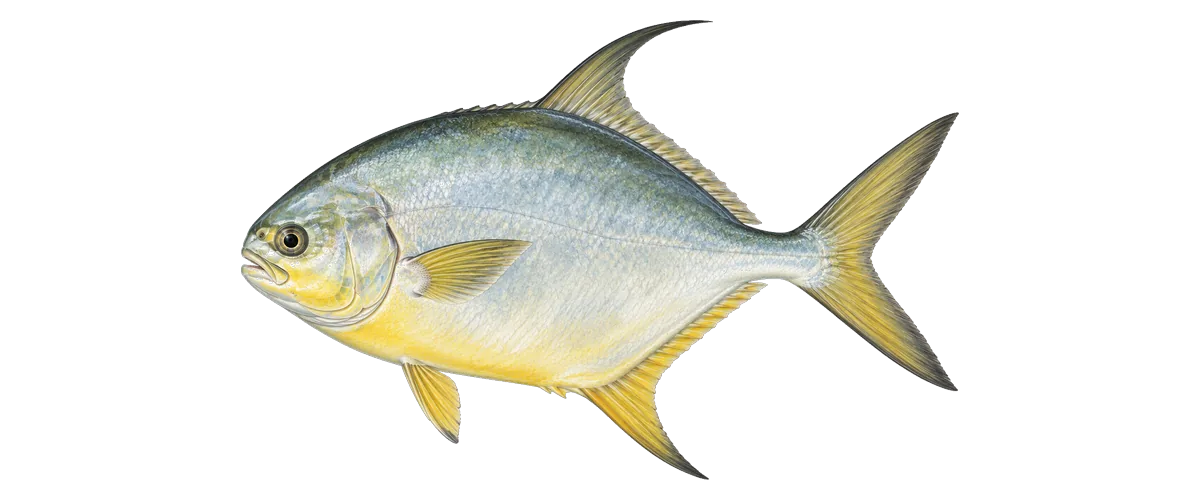
- The beach end, for pompano and whiting. These fish feed between the sandbars, where the waves break. Double-hook leaders baited with fresh or live shrimp or sand fleas are the standard rig. In one January report, Juno Bait, a local tackle shop, had a good number of pompano caught on the pier when the swell was up, most on bright Doc's Goofy Jigs and a few on bait.
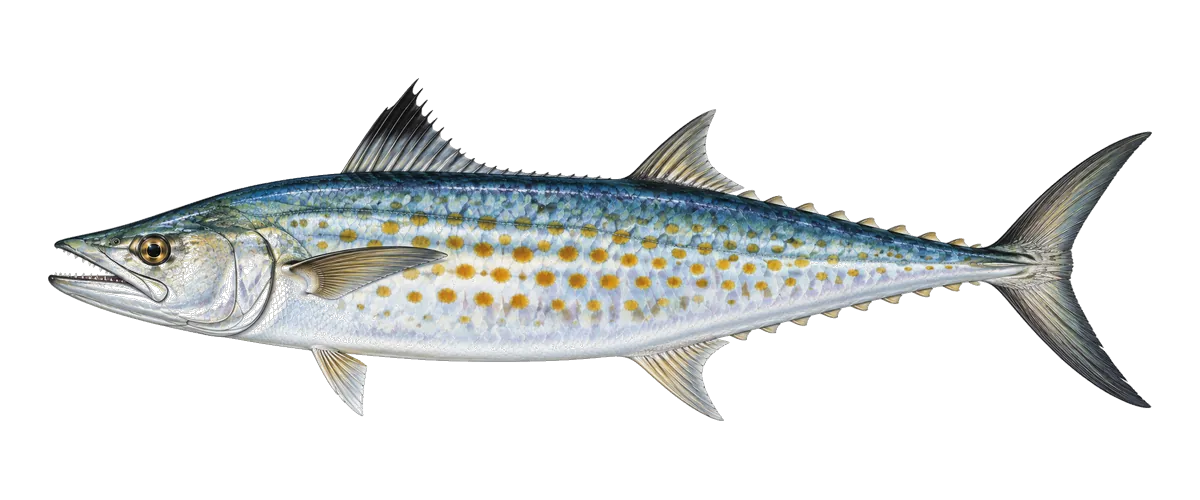
- Mid-pier, for Spanish mackerel and bluefish. Flashy spoons and silvery Gotcha plugs. The action can be fast, so wear a hat and sunglasses and watch out for casters behind you.
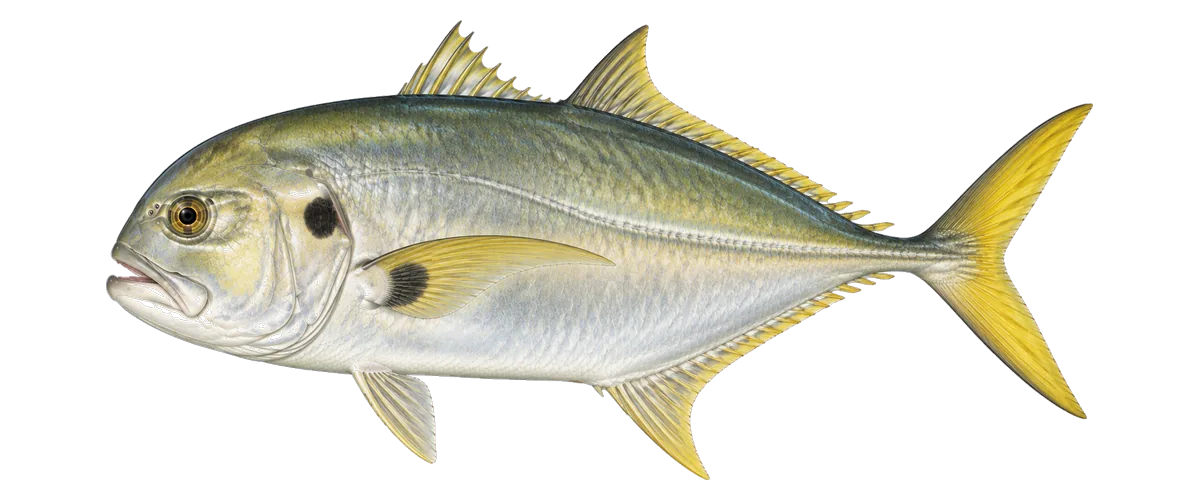
- The T-head, for big fish. Anglers catch pilchards and sardines on sabiki rigs around the pilings, then lob them out for kingfish, cobia and big jacks, with the odd sailfish or tarpon. The T is closed for now, so this fishing waits until it reopens.
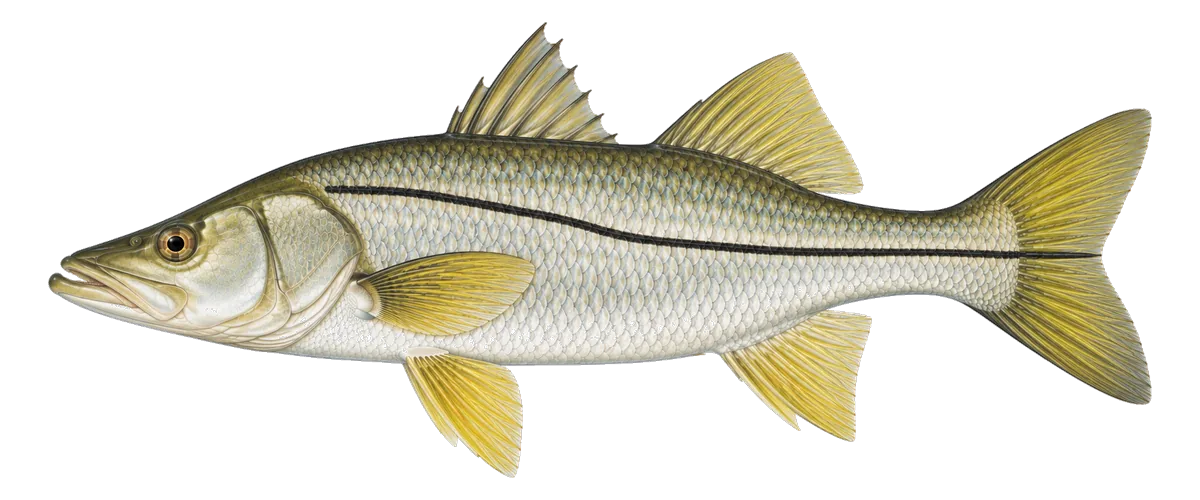
Snook are the pier's biggest draw. By late spring the schools mass along the pier, and many of the fish are over the slot. Florida Sportsman's snook guide says snook stack up at Juno year-round because the pier has food, structure and current, and recommends bucktail jigs on a heavy rod, about seven and a half feet and extra heavy, to keep them out of the pilings. Bring live bait rigs and patience; the pier keeps nets for landing big fish.
For snook baits, see the best bait for snook, and for pompano rigs, the best bait for pompano.
Taklbox Pro maps boat ramps and fishing piers, so you can find the next pier up or down the coast when this one is crowded.
What bites at Juno Beach each season
FWC lists the Juno Beach Pier among Palm Beach County's popular fishing spots, and its guide to the county gives the best times for each catch. Combined with the pier reports above:
| Season | What to fish for |
|---|---|
| Winter | Pompano, black drum |
| Spring to midsummer | Snook, tarpon, crevalle jack |
| Fall to spring | Kingfish |
| Year-round | Mangrove snapper, sheepshead |
- Snook are at their best from spring through midsummer, FWC says. Snook harvest has its own seasons; see when is snook season in Florida.
- Black drum bite best in winter and early spring. FWC puts kingfish off Palm Beach County from fall through spring, and pier anglers catch them from the end on live bait.
- The fall mullet run pushes bait and the fish that chase it down the beach; see when is the mullet run in Florida.
Taklbox saves every catch with its place, bait and tide, so your own log shows which tides fish best on the pier.
The limits on what you keep
Juno Beach is south of the Martin–Palm Beach county line, in FWC's Southeast region, so the Indian River Lagoon's redfish ban to the north doesn't apply here. The cards below come from the data Taklbox checks your catch against, each with FWC's official link.
Snook, with harvest seasons, a slot and a permit; FWC's snook page explains who needs the permit:
Pompano:
Spanish mackerel:
Bluefish:
King mackerel:
Taklbox checks the size, bag and season rules where you caught the fish, and links to FWC's rules every time.
Frequently asked questions
Do you need a fishing license on the Juno Beach Pier?
No. The pier holds a license that covers anglers fishing from it, and Palm Beach County says the admission fee includes it. Off the pier, on the beach, you need your own Florida saltwater license from age 16 unless you're exempt; see do you need a fishing license in Florida.
How much does it cost to fish the Juno Beach Pier?
$5 a day, or $3 for anglers 12 and under and for veterans. Walking the pier costs $2, and veterans walk free.
What are the Juno Beach Pier hours?
Sunrise to sunset, according to Loggerhead Marinelife Center. Florida Sportsman reported in 2024 that night fishing runs only from November through February, so call 561-855-6185 for current night hours.
Is there a live cam at the Juno Beach Pier?
Yes. Loggerhead Marinelife Center runs a live cam of the pier and an underwater cam on its website.
Can you rent fishing poles at the Juno Beach Pier?
Yes. The Pier House rents rods and sells bait and tackle; Florida Sportsman's 2024 guide listed a rental at $15 with pier entry included. For other spots nearby, see our Jupiter Inlet fishing guide.