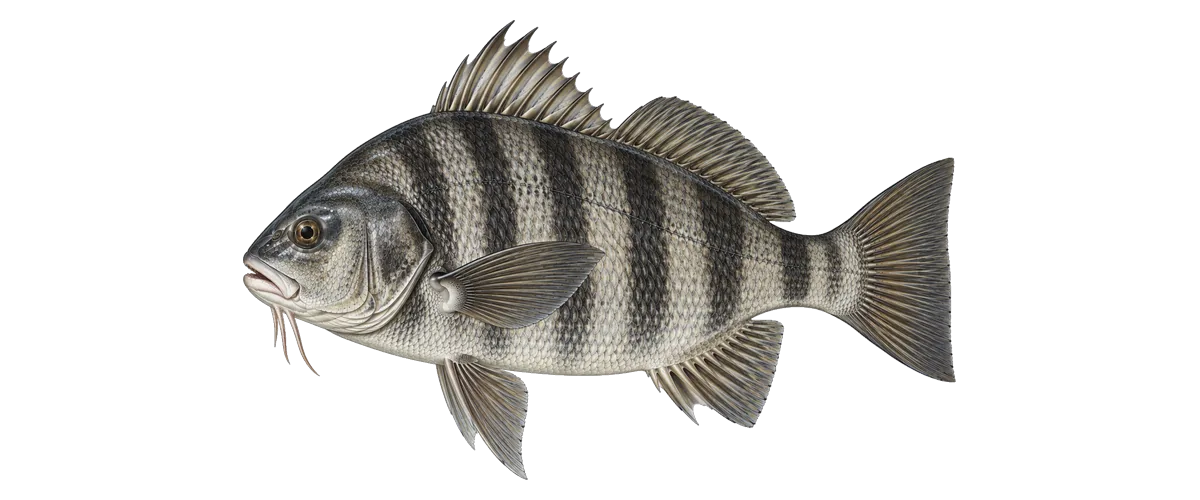
Mosquito Lagoon is a grassy estuary about 30 miles long, reaching south to Haulover Canal. Much of it lies inside Canaveral National Seashore and Merritt Island National Wildlife Refuge. It's famous for sight fishing to tailing redfish and black drum, but every redfish here goes back: the whole lagoon is in FWC's Indian River Lagoon region, where redfish are catch-and-release only. You need a Florida saltwater license from age 16, and on refuge waters a free refuge fishing permit that you sign yourself.
Below: the redfish rule, where to launch and fish from the bank, the refuge and seashore rules, the pole and troll zones, Haulover Canal, how the lagoon is fishing now, how to sight fish it, and the limits.
Can you keep redfish in Mosquito Lagoon?
No. FWC's Indian River Lagoon region starts at the South Causeway in New Smyrna Beach and runs south to the Martin–Palm Beach county line, so all of Mosquito Lagoon is inside it. Florida's red drum rule bars harvesting, landing or even possessing a redfish anywhere in the region. Speckled trout here have a smaller bag than most of Florida and a closed season at the end of the year.
The card shows every region, with FWC's official link:
Where to fish Mosquito Lagoon from shore and by boat
From the bank. Merritt Island National Wildlife Refuge allows daytime bank fishing for saltwater fish from many of its dike roads, at Patillo Creek and Eddy Creek, and along Haulover Canal. Bank fishing after dark isn't allowed anywhere on the refuge. The refuge lists speckled trout, flounder and redfish among the catches.
Boat ramps. Salt Water Sportsman's guide to the lagoon lists ramps from north to south, among them:
- River Breeze Park, 250 H.H. Burch Road, Oak Hill, with two double-lane ramps.
- Canaveral National Seashore's double-lane ramp.
- Beacon 42, a gravel ramp off State Road 3 in the refuge.
- Bairs Cove, on Haulover Canal off State Road 3.
Bairs Cove and Beacon 42 are the only refuge ramps open for launching at night.
Kayaks and paddleboards. The refuge doesn't allow launching from Black Point Wildlife Drive or its side roads, except L Pond Road.
Taklbox Pro shades charted depth on the map, so you can find the channels and the edges of the flats before you launch.
The refuge rules for anglers
All of Florida's fishing rules apply on Merritt Island National Wildlife Refuge, plus its own. From the refuge's boating and fishing rules, updated in October 2026:
- Carry a signed refuge sport fishing permit. It's free and self-issued: sign the permit printed in the refuge's rules brochure, which also confirms you've read the rules.
- Night fishing from a boat is allowed in Haulover Canal, Mosquito Lagoon, the Indian River Lagoon and the Banana River. Bank fishing after dark isn't, and the impoundments and interior ponds are closed to night fishing.
- No fishing or crabbing from Black Point Wildlife Drive or its side roads, except L Pond Road.
- No fishing near the Manatee Viewing Deck, from shore or from a boat.
- No fish cleaning on refuge property, and no glass drink containers.
- NASA launches close water. The Kennedy Space Center's restricted area grows before launches and temporarily closes water that's normally open. Anyone found inside it can be arrested.
The pole and troll zones. To protect the grass flats, the refuge has set two pole and troll zones in Mosquito Lagoon, marked with posts. Inside them:
- Gas engines must be shut off, except in the posted channels.
- Boats that draw more than 12 inches at rest can't enter.
- You can drift, pole, paddle or use an electric trolling motor.
Canaveral National Seashore rules
Much of the lagoon is inside Canaveral National Seashore, which charges an entrance fee. Its entrance stations take only credit or debit cards. The park service's fishing rules:
- No fishing from road bridges, public boat docks, designated swimming beaches or surfing areas, unless the spot is marked for fishing.
- Don't dump bait or bait buckets into park waters.
- Release fish right away. A fish you can't or won't keep goes straight back into the water it came from.
- Shellfish warning: the park flags high levels of Pyrodinium bahamense, a toxic algae, at Eddy Creek. It can cause paralytic shellfish poisoning in anyone who eats contaminated shellfish or puffer fish.
The seashore's beaches and New Smyrna Beach, at the lagoon's north end, are covered in our New Smyrna Beach fishing guide.
Fishing Haulover Canal
Haulover Canal cuts through the land between Mosquito Lagoon and the Indian River, inside the refuge.
- From the bank: daytime only. The canal is one of the refuge's named bank-fishing spots.
- From a boat: night fishing is allowed. Bairs Cove, on the canal, is one of the two refuge ramps open for night launches.
- Speed: slow speed, minimum wake in the canal, and idle speed in Bairs Cove.
- No fishing near the Manatee Viewing Deck.
When the lagoon's grass died back in the 2010s, Florida Sportsman reports, many of the big breeder redfish left the flats for deeper water like the Intracoastal channel and Haulover Canal.
How the lagoon is fishing now
The lagoon is coming back from a hard decade. Florida Sportsman reports that years of pollution, then freezes in 2009 and 2010, led to brown algae blooms that clouded the water until 2018 and 2019. Veteran guide Capt. Troy Perez saw more than 75% of the grass disappear, and the redfish scattered.
- The grass is returning, especially in the north part of the lagoon, Perez says. The south end is still dirty.
- Redfish: guides are catching many more 30-inch fish, though the giant schools of 40-inch fish haven't returned.
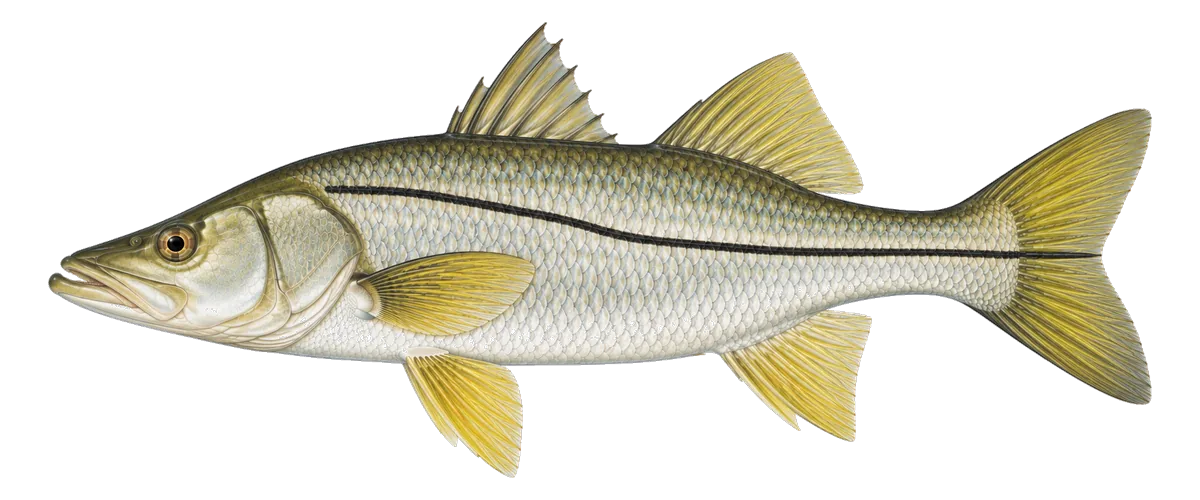
- Snook: Perez calls the last five years the best snook fishing he's seen in the lagoon, with snook caught year-round.
- Tarpon of 60 to 100 pounds come onto the flats in July and August, when conditions are right.
- Speckled trout are harder to find than they once were, though guides still find them in the north end.
How to sight fish Mosquito Lagoon
The National Park Service says the lagoon has won national acclaim as a place to fly fish for redfish, and it may suit them because of the lagoon's high salinity. The park service also warns that fishing pressure has climbed, with flats boats running into shallow grass to push schools of redfish. That may disturb spawning and nursery areas, so pole or idle across the shallows.
Tips from Mosquito Lagoon guides:
- Stay low and quiet. Capt. Mark Benson tells Salt Water Sportsman that fish can see him up on the poling platform, so in water under 24 inches he sits on the bow and walks the skiff along with his feet on the bottom. Look for tailing fish along protected shorelines and in coves, away from boat traffic.
- Lead the fish. Tailing redfish and black drum focus on the bottom, so wait until they move. Cast across their path, side to side or quartering, and let the lure sink like a shrimp or crab diving for cover as the fish gets close.
- Baits: Benson uses one lure, a 1/4-ounce DOA shrimp. Perez says gold spoons, Gulp! soft plastics and jerk baits still work well. Fly anglers use small crab and shrimp patterns on a 6-weight; shrimp and small blue crabs are what both drum mostly eat here.
- Water level: Perez finds more fish on high water; on low water, they bunch up in spots that get fished hard.
For more lures and baits, see the best bait for redfish and the best bait for black drum.
What bites in Mosquito Lagoon each season
| Season | What to fish for | Notes |
|---|---|---|
| Winter | Tailing redfish and black drum | The clearest water of the year; best on clear days after a cold front |
| Spring and summer | Redfish around the mullet schools, snook | Fish where the mullet show up |
| July and August | Tarpon on the flats | When the water is clean |
| Year-round | Snook | Guides catch snook in every season now |
Florida Sportsman says winter, when the water is clearest and the grass thins out, is prime time for sight fishing. In spring and summer, Perez says, the mullet arrive and you catch a lot of redfish by fishing around them.
Taklbox saves every catch with its place, bait and tide, so your own log shows which tides put tailing fish on your flats.
The limits on what you keep
The cards below come from the data Taklbox checks your catch against, each with FWC's official link.
Speckled trout, with the Indian River Lagoon region's own row:
Black drum:
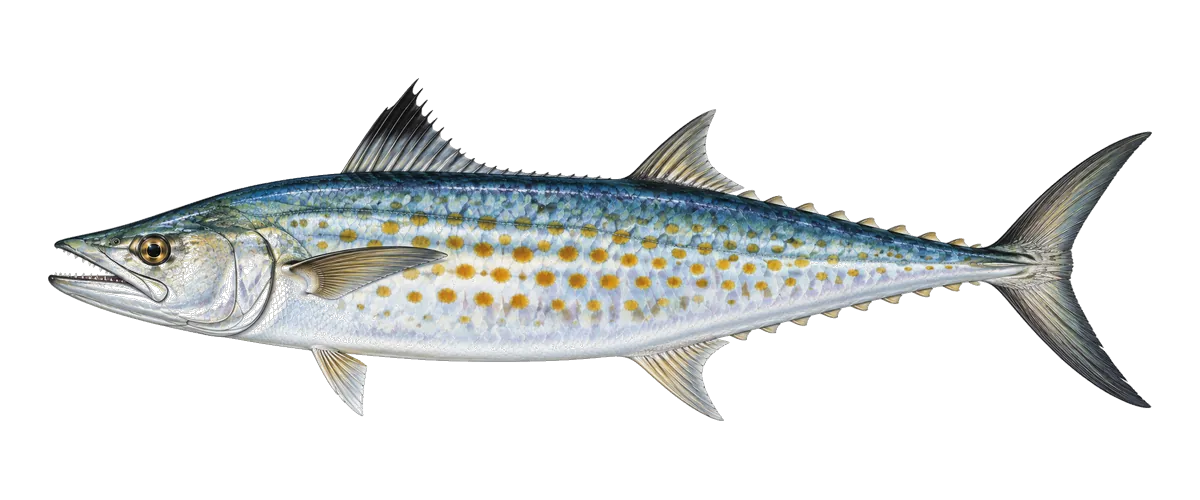
Snook, with spring and fall harvest seasons and a permit; see when is snook season in Florida:
Tarpon are catch-and-release only in Florida:
Taklbox checks the rules where you caught the fish, so a redfish from Mosquito Lagoon gets the Indian River Lagoon rule.
Frequently asked questions
Do you need a permit to fish Mosquito Lagoon?
On Merritt Island National Wildlife Refuge waters, yes: a free refuge sport fishing permit that you sign yourself, printed in the refuge's rules brochure. You also need a Florida saltwater license from age 16, and Canaveral National Seashore charges an entrance fee.
Can you keep redfish in Mosquito Lagoon?
No. The whole lagoon is in FWC's Indian River Lagoon region, where redfish are catch-and-release only and can't be possessed.
What are the pole and troll zones in Mosquito Lagoon?
Two marked zones on the refuge's grass flats where gas engines must be off outside the posted channels and boats drawing more than 12 inches can't enter. Drifting, poling, paddling and electric trolling motors are allowed.
Can you fish Haulover Canal at night?
From a boat, yes. Bank fishing after dark isn't allowed anywhere on the refuge, Haulover Canal included.
When is the best time to fish Mosquito Lagoon?
For sight fishing, winter, when the water is clearest; pick a calm, clear day after a cold front. Tarpon come onto the flats in July and August.