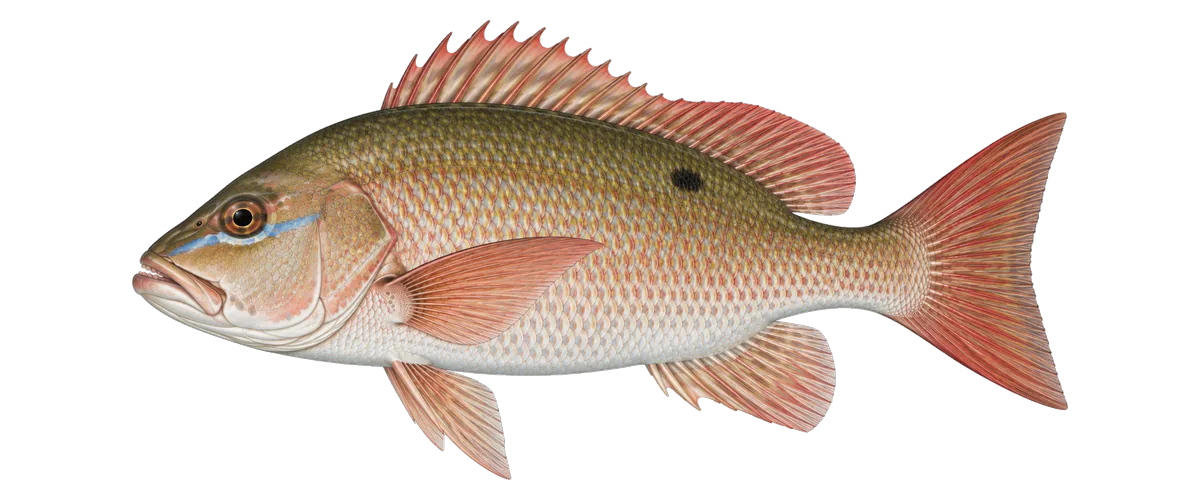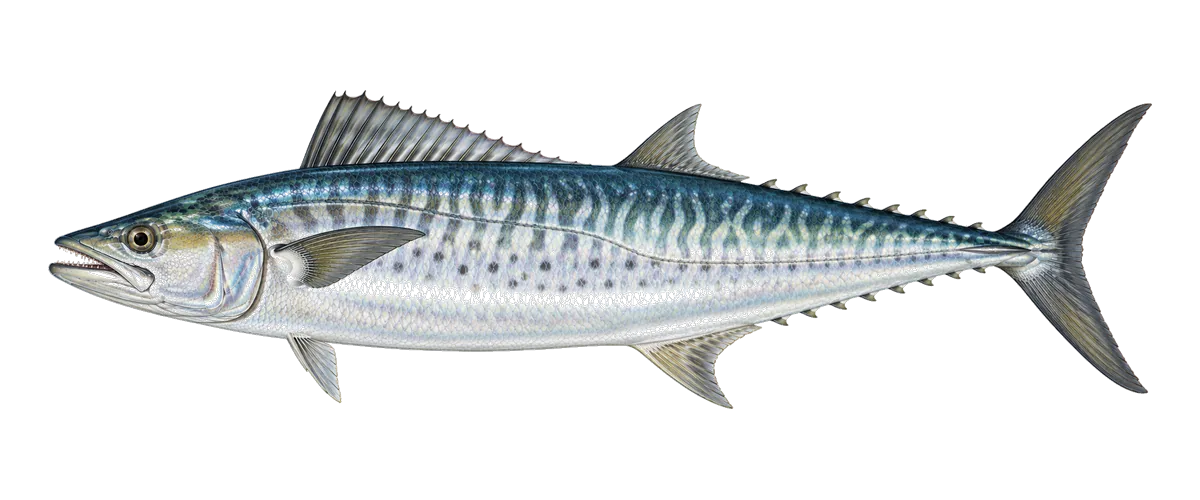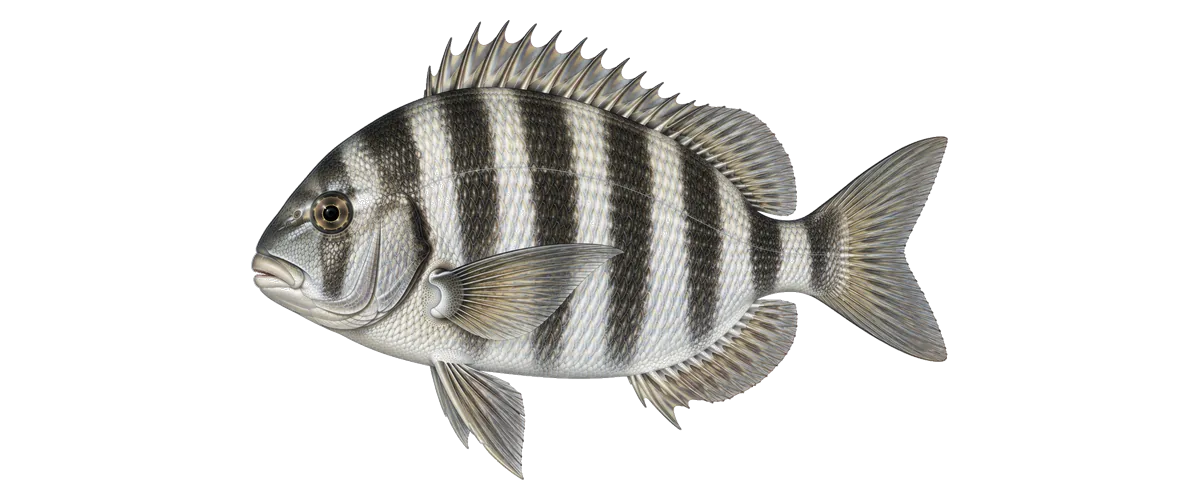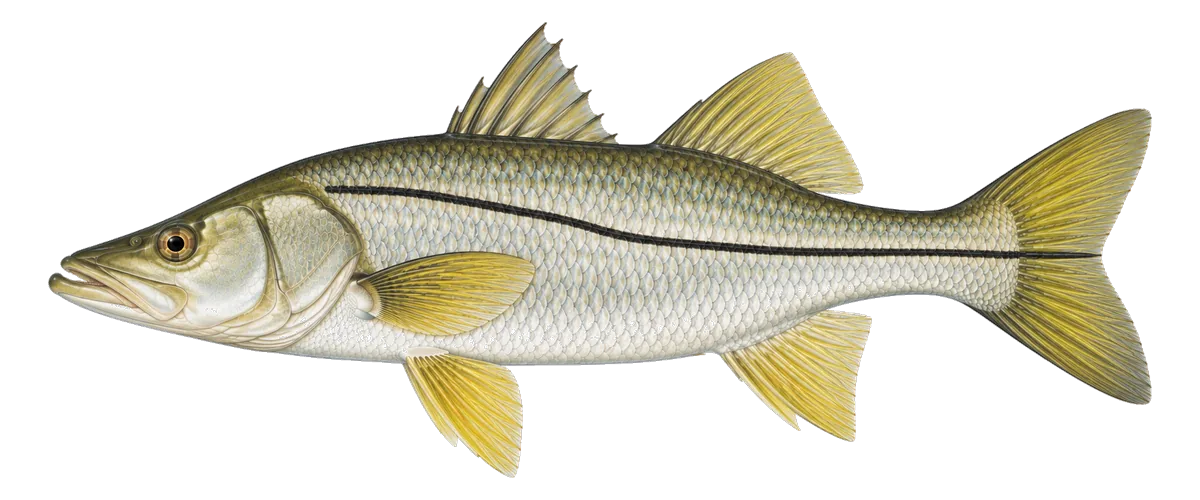
The Boynton Inlet, officially the South Lake Worth Inlet, cuts between Manalapan and Ocean Ridge, and both of its jetties are fishable, with concrete decks and guardrails. Palm Beach County's Ocean Inlet Park, on the Ocean Ridge side, keeps its jetty and the inlet open for fishing 24 hours a day, with 24-hour parking for anglers. Snook are the headline fish, with Spanish mackerel, pompano, mangrove snapper and sheepshead too. You need your own Florida saltwater license from age 16, and the inlet is in FWC's Southeast region, where redfish can be kept.
Below: the jetties and the park, how to fish the inlet, the lagoon nearby, what bites each season, the redfish rule and the limits.
Is there a fishing pier at Boynton Inlet?
Not a pier on pilings out into the ocean, but the two jetties are walkways with concrete decks and rails, and FWC's guide to Palm Beach County lists the "Boynton Inlet Pier" among the county's popular fishing spots.
- The rebuild. The county rebuilt both jetties with new concrete decks and guardrails, with breakaway deck panels for hurricanes, The Coastal Star reported when the work was done. It put the north jetty at 760 feet and the south jetty at 415 feet.
- The inlet is 130 feet wide and 6 to 12 feet deep, FWC's Lake Worth Lagoon guide says. It's man-made, dug to flush the southern end of the lagoon rather than for navigation.
- Sand. The county's sand transfer plant moves sand from the north side of the inlet to the beaches south of it, and the county dredges the inlet's sand trap every six years.
Ocean Inlet Park
Palm Beach County's park at 6990 N. Ocean Boulevard, Ocean Ridge, is the base for fishing the inlet:
- Hours: the park is open sunrise to sunset, but inlet fishing is available 24 hours, the jetty is open 24 hours, and parking is 24 hours for fishing and marina access.
- Fishing spots: the jetty, the inlet, and 1,100 feet of Intracoastal frontage on the Lake Worth Lagoon.
- Not in the swimming area: saltwater fishing and surfing aren't allowed in the guarded beach.
- No balloons anywhere in the park, to protect sea turtles.
- Amenities: restrooms, outdoor showers, picnic shelters and grills, a playground, and a paddleboard rental kiosk.
- The marina is closed until further notice.
FWC's Pier Finder lists both jetties with no fee and no pier license, so everyone 16 and older needs their own license.
How to fish the Boynton Inlet
Terry Gibson, writing for Visit Florida, calls both jetties popular and productive for just about anything you catch in the surf, including snook, pompano, Spanish mackerel, whiting, bluefish, croaker and redfish. Spot by spot, from Boatlessfishing.com, a South Florida shore-fishing site:
- The south jetty: snook on the tide change, on live bait or artificials like jigs and DOA lures. The beach on the south side holds snook too, plus bluefish, big grunts, spots, croakers and the odd snapper.
- The north jetty: mangrove snapper down under the jetty and in the channel at slack tide, and snook on the beach side. In the fall and winter run, a chartreuse pompano jig tipped with shrimp catches mackerel, and pompano come from here too.
- The seawalls: sheepshead at certain times of year; if they're there, you'll see them.
- The back seawall on the south side: tarpon, snook, moonfish and mangrove snapper. Use the sardines you catch there for the snapper, pieces of shrimp for moonfish, and live bait or big fish heads for tarpon.
- Bait: mullet in the inlet, and pilchards at night in the lighted water on the southwest side of the bridge, or by day off the north jetty.
Rig heavy. Water really moves through an inlet at peak tide, Florida Sportsman says, and inlets have extremely high currents, so be careful.
Snook under the bridge. Florida Sportsman's guide to catching snook from shore says snook hold in a bridge's shade line to ambush bait, and after dark use the shadow lines under lights. Start high in the water with a topwater plug, then work deeper with a diving plug or a jig.
Boaters, take note: Gibson calls the Boynton Inlet one of the state's hairiest to navigate when it's rough.
For baits, see the best bait for snook and the best bait for pompano.
Taklbox Pro shades charted depth on the map, so you can see the channel and the drop-offs before you go.
Fishing the Lake Worth Lagoon nearby
- Snook Islands Natural Area, just north of the Lake Worth Bridge: inshore anglers catch snook, redfish, trout and more on what's regarded as one of the most effective habitat restoration projects in the region, Gibson writes.
- Lantana Sportsman's Park has a boat ramp 150 yards east of the Old Key Lime House on Ocean Boulevard, for reaching the lagoon by boat.
- Up the coast, the Lake Worth Beach pier, and Peanut Island and Phil Foster Park at the Lake Worth Inlet.
The beach. FWC bans chumming from the beach for any species, and fishing for sharks from shore takes a free shore-based shark fishing permit and its online course. For reading the water, see how to read the surf.
Taklbox Pro maps boat ramps and fishing piers, so you can find a ramp or another pier close by.
Do you need a fishing license at Boynton Inlet?
Yes, from age 16, on the jetties, the seawalls and the beach. Florida residents who fish only from land can use the free shoreline license; visitors need a nonresident saltwater license. Snook need a snook permit on top of the license. The exemptions are in do you need a fishing license in Florida.
What bites at Boynton Inlet each season
FWC's guide to Palm Beach County gives these best times:
| Season | What to fish for |
|---|---|
| Winter and early spring | Black drum |
| Spring to midsummer | Snook |
| Spring and summer | Tarpon, crevalle jack |
| Fall and winter | Mackerel, from the north jetty |
| Year-round | Mangrove snapper, sheepshead |
- Snook are best from spring through midsummer by FWC's list. Harvest has its own seasons; see when is snook season in Florida.
- Mackerel come in the fall and winter run, Boatlessfishing says, and FWC puts kingfish offshore of Palm Beach County from fall through spring.
- The fall mullet run brings bait and predators past the inlet; see when is the mullet run in Florida.
Taklbox saves every catch with its place, bait and tide, so your own log shows which tides fish best at the inlet.
Can you keep redfish at Boynton Inlet?
Yes, within the rules. Boynton Inlet is in FWC's Southeast region, south of the Martin–Palm Beach county line, where redfish can be kept. North of that line, the Indian River Lagoon region makes them catch-and-release only. Every region is on the card, with FWC's official link:
The limits on what you keep
The cards below come from the data Taklbox checks your catch against, each with FWC's official link.
Snook, with harvest seasons, a slot and a permit:
Sheepshead:
Mangrove snapper, which Florida calls gray snapper:
Spanish mackerel:
Pompano:
Taklbox checks the size, bag and season rules where you caught the fish, and links to FWC's rules every time.
Frequently asked questions
Is there a fishing pier at Boynton Inlet?
The inlet's two jetties have concrete decks and rails, and FWC's county guide lists the Boynton Inlet Pier among its popular spots. Ocean Inlet Park keeps its jetty and the inlet open for fishing 24 hours.
Can you fish Boynton Inlet at night?
Yes. Palm Beach County keeps inlet fishing and the jetty open 24 hours, with 24-hour parking for anglers, though the rest of Ocean Inlet Park closes at sunset.
Do you need a fishing license at Boynton Inlet?
Yes, from age 16. The jetties have no pier license, so you need your own; Florida residents fishing from land can use the free shoreline license.
Can you keep redfish at Boynton Inlet?
Yes, within FWC's Southeast region rules. The catch-and-release-only Indian River Lagoon region starts north of the Martin–Palm Beach county line.
Is Boynton Inlet dangerous?
It can be. Inlets run extremely strong currents, Florida Sportsman warns, and Visit Florida's writer calls the Boynton Inlet one of the state's hairiest to navigate by boat when it's rough.