To read the surf, look at how the waves break. Waves break where the water is shallow, over the sandbars, and roll on unbroken over the deeper troughs between them, which usually look darker and calmer. A spot along a sandbar where wave after wave fails to break is a cut, a deeper channel through the bar that fish use as a road between the troughs. Fish hold in the troughs, the cuts, the holes and along the edges where the structure changes, often much closer to the beach than people cast. Scout the beach at low tide, when the bars show, and fish it on the moving water of the incoming tide.
Below: the parts of a beach, how to spot each one from the sand, when to scout, where fish hold, how tide and wind change things, rip currents, and what to fish where.
The parts of a beach
Every surf beach is built from the same few pieces. Writing in The Fisherman, William Muller names them from the dry sand out:
- The lip: a small drop-off at the water's edge, where incoming waves meet the backwash of the last ones. Fish work this churning edge.
- The trough: the deeper channel between the beach and the first sandbar. Anglers in the South often call it a gut or a slough. Muller wants one at least 4 feet deep at low tide.
- The bar: a ridge of sand where waves break, built by the waves themselves. Many beaches have a second trough and an outer bar beyond the first.
- Cuts: low gaps through a bar, carved where the water trapped in the trough rushes back out to sea.
- Points, humps and coves: a point is a tongue of sand reaching into the trough, a hump a rise in the middle of it, and a cove a scoop in the beachfront. Each has edges, and edges hold bait.
Muller's rule: flat, featureless beaches are far less productive than beaches with complex structure. Bait passes a flat beach by; it stops where there are edges to hide along, and gamefish push it against them.
How to spot bars, troughs and cuts
You read structure from the water's surface: the waves, the color and the foam.
- Breaking waves mark the bars. A wave breaks when it runs into shallow water, so a line of breakers shows a bar. On a calm day, shallow water also looks lighter.
- Darker, calmer water marks depth. On a calm day, FishTalk's John Unkart finds darker water usually means more depth, and a wave that builds less high suggests a trough, cut or hole beneath it.
- A gap in the breakers marks a cut. Unkart's tip: if wave after wave fails to break at one spot but breaks everywhere else along the outer bar, you've found a cut with deeper water.
- Turbulence marks feeding water. Muller finds that white water rolling evenly in one direction holds fewer fish than white water tumbling in several directions. The best spot is often where water from two directions collides, like a point in front of a cut, because small bait struggles in it and gamefish don't.
Look for the beach itself to give clues too: Muller likes a steep beachfront and an irregular waterline, both signs of structure just offshore.
When to read the beach
Scout at low tide. Both Muller and Unkart scout at low tide, when the bars come closest to the surface and the waves break over them clearly. At high tide, waves often roll over a bar without breaking. Walking the beach at low tide also shows the holes and depressions near shore.
Look again every trip. Unkart finds the structure changes from week to week and even day to day, and storms and heavy surf deepen the cuts the most. Take a couple of minutes to study the water before you make the first cast.
Once you find a productive trough or cut, mark it. Taklbox saves each catch with its place, bait, tide, moon and barometer reading, so you can find the spot again and see which tides it fished best on.
Where fish hold in the surf
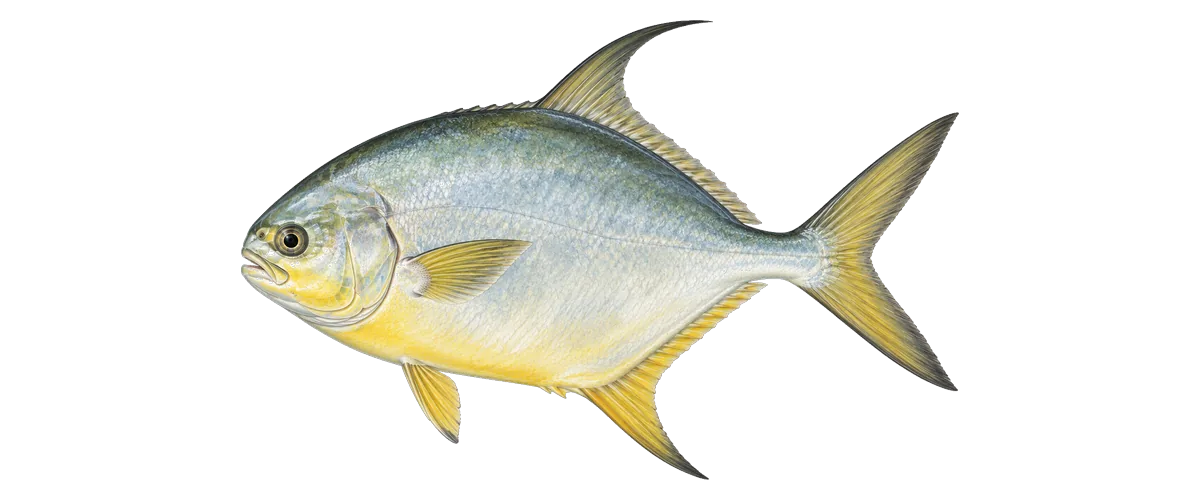
- The first trough, closer than you think. Unkart finds many anglers cast too far, when often many fish are just feet off the beach. At high tide the first trough can sit just 20 to 50 feet from the water's edge. Pompano, whiting and redfish all feed in it, where waves knock sand fleas and coquinas loose.
- Cuts through the bar. Unkart calls a cut through the outer bar a roadway the fish use to travel between the troughs. Fish its edges and the water just inside it.
- The lip and the edges. Muller finds fish working the churning edge at the water's line and the edges of points, humps and coves.
- Holes and depressions near shore, which Unkart finds often hold fish near the end of the incoming tide and the turn.
- Beyond the outer bar. The drop-off on the far side of the outer bar holds fish waiting for the rising tide to deepen the water enough to cross.
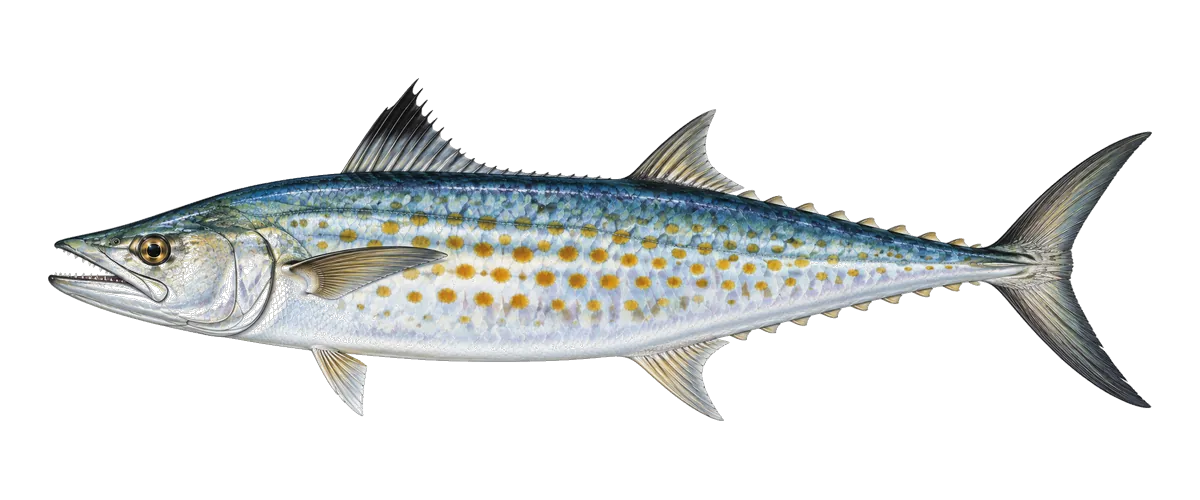
- Runouts. Florida Sportsman's Frank Sargeant looks for tidal rips cutting through the nearshore bars, which draw pompano, redfish and Spanish mackerel.
In the Texas and Louisiana surf, where trout come to the beach on calm summer mornings, James Kosub wades to the first or second bar and casts where it drops into the gut, and Sammy Romano fishes the troughs beyond the bars, the cuts and the island tips. For that fishery, see how to catch speckled trout.
How tide and wind change the surf
The tide moves the fish. Structure doesn't change with the tide, Muller notes, but how the water moves over it does. A point that's a churning hotspot at high tide may be dry at low tide, and he moves along the beach as the water rises and falls. Unkart finds the troughs most productive on the incoming tide and the turn.
Time of day. Unkart finds fish feed closer to shore early in the morning and in the evening, and a high tide at those hours is a bonus.
Wind builds and erases structure. Muller finds strong wind blowing along the beach flattens it and wipes out structure, and creates a sideways sweep that's hard to fish. A moderate wind blowing straight onshore builds points, bars and cuts, and steepens the beach. Sargeant adds that onshore wind stirs up sand fleas and shrimp, which can turn the fish on.
Rip currents: fish them from the sand
The cuts that fish love are where rip currents form: the water piled into the trough by the waves rushes back out to sea through the low spot in the bar. NOAA describes rip currents as powerful, narrow channels of fast-moving water, faster than an elite swimmer.
- Fish a cut from the beach or the bar beside it, never by wading into it. Stay out of the channel itself.
- Watch the waves. Kosub warns that the surf is usually rougher than it looks, and rips can shift quickly.
- If you're caught in one, NOAA's advice is don't fight it: swim parallel to the shore, then back to land at an angle.
What to fish where
| Fish | Where in the surf | Bait |
|---|---|---|
| Pompano | First trough, runouts | Sand fleas, shrimp, pompano jigs |
| Whiting | First trough | Sand fleas, shrimp, Fishbites |
| Redfish | Troughs, cuts, holes | Cut mullet, crab, shrimp, spoons |
| Speckled trout | Guts between bars, cuts | Live croaker, topwaters, soft plastics |
| Black drum | Holes, near piers and jetties | Crab, clams, shrimp |
| Spanish mackerel | Runouts, clear water past the breakers | Spoons, small jigs |
For rigs and baits, see the best bait for pompano, the best bait for redfish and the best bait for black drum.
Piers let you fish the outer troughs without a long cast. Taklbox Pro maps fishing piers and boat ramps.
Surf fishing rules
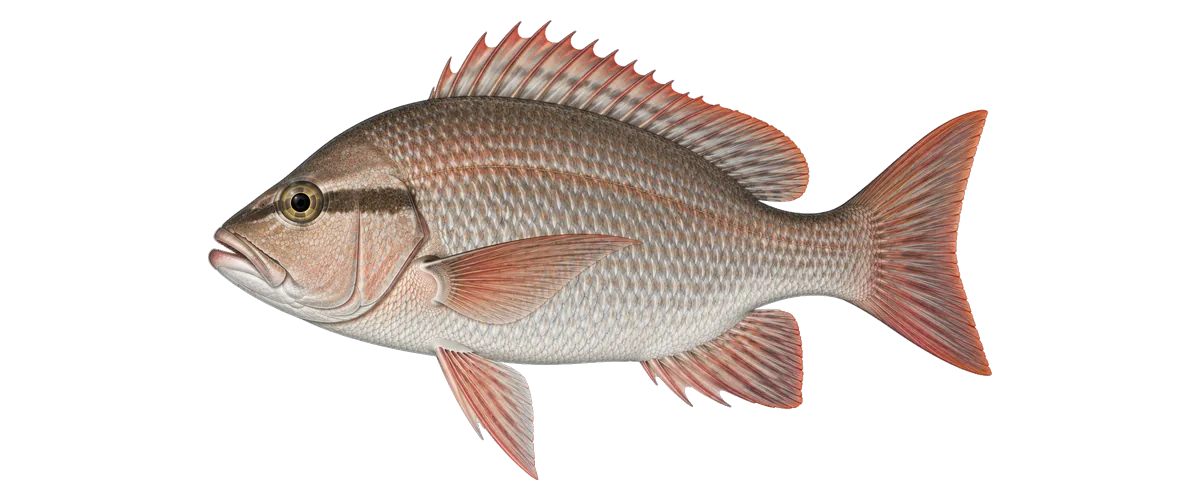
The surf mixes species with very different rules, and some, like redfish, change by region. Two of Florida's most common surf fish, from the data Taklbox checks your catch against:
Snap whatever comes out of the wash, and Taklbox names it, measures it on iPhone Pro models, and checks the size, bag and season where you caught it.
Frequently asked questions
How do you read the surf for fishing?
Watch the waves. They break over the sandbars and roll unbroken over the deeper troughs, which look darker on a calm day. A spot where waves keep failing to break along a bar is a cut. Fish the troughs, cuts, holes and edges.
What is a trough in surf fishing?
The deeper channel between the beach and a sandbar, also called a gut or slough. The first trough is often only a short cast from the water's edge, and it's where many surf fish feed.
Where do fish hold in the surf?
In the troughs, in the cuts through the bars, in holes near shore, and along edges like points and the lip at the water's line, wherever moving water pushes bait against structure.
What tide is best for surf fishing?
A moving tide, especially the incoming and the turn. Scout at low tide to see the structure, then fish it as the water rises.
How do you find a cut in a sandbar?
Watch the breakers along the bar. Where wave after wave fails to break, the water is deeper: that's a cut. At low tide they're easiest to see.