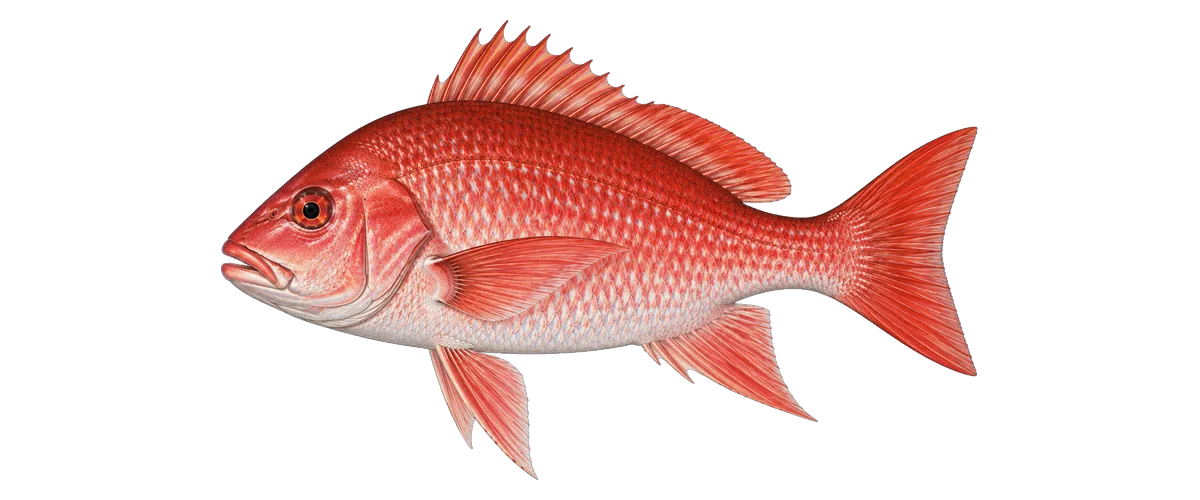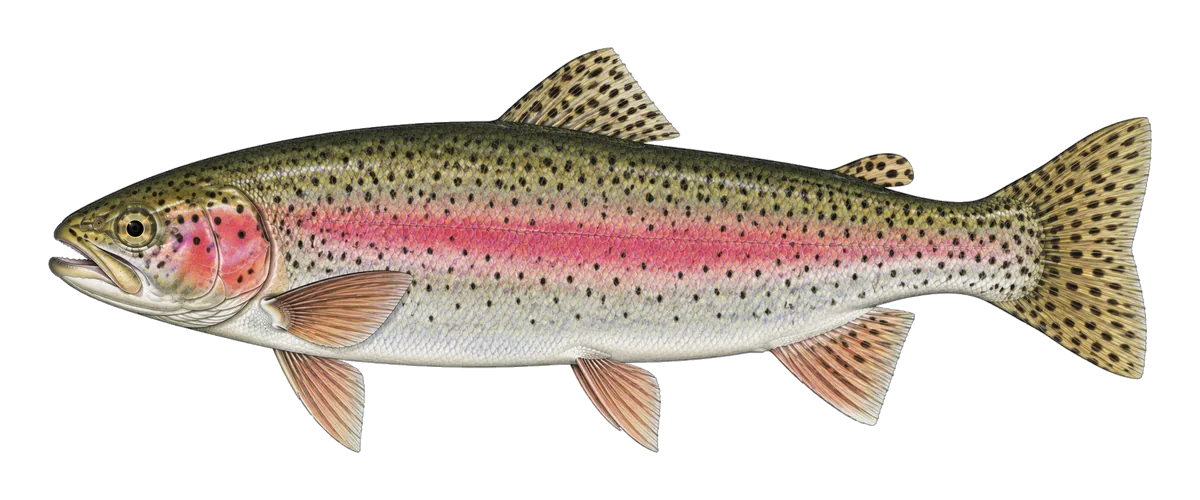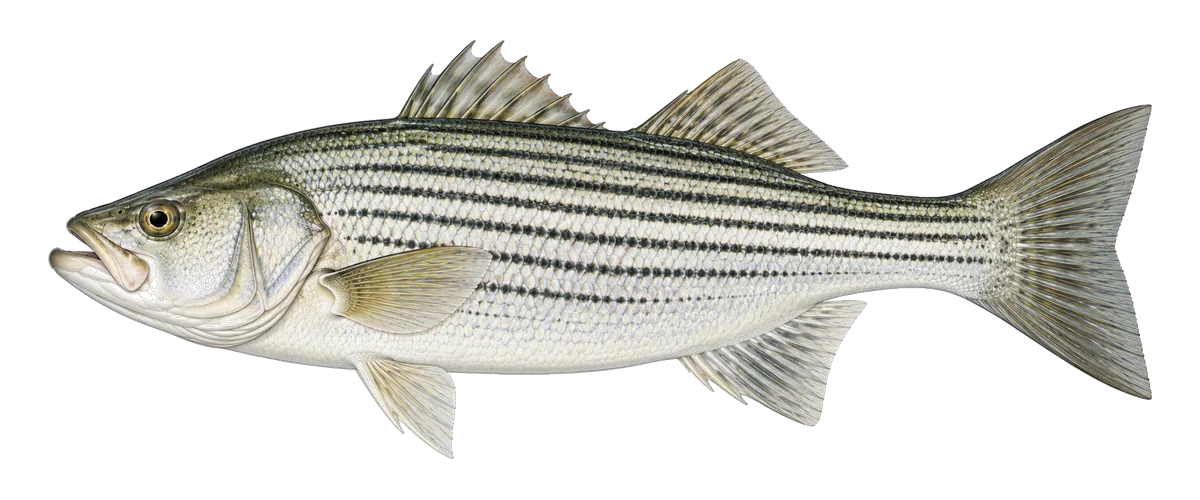
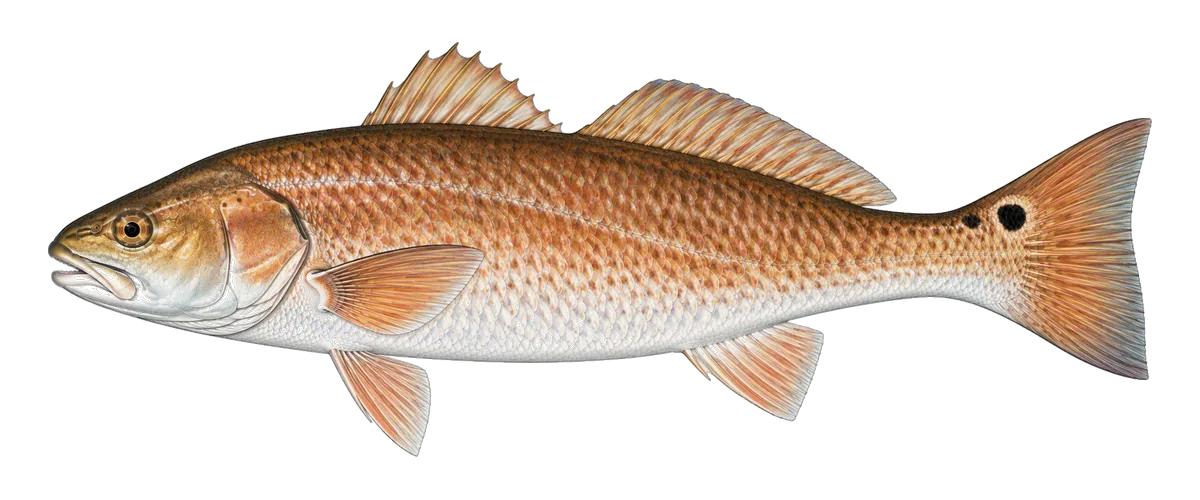
Georgia's saltwater fishing regulations come from the Georgia DNR Coastal Resources Division (CRD) and cover state waters out to three nautical miles. Anyone 16 or older needs a Georgia fishing license and the free Saltwater Information Program (SIP) permit. Two things change on January 1, 2027: the redfish rule gets a smaller daily limit and a slot that moves up, and anglers landing nine offshore species will need a new Reef & Migratory Fish Endorsement. Each species' limits are on the cards below, the same data Taklbox checks your catch against.
Below: what you need to fish salt water, the redfish change and why it's happening, the new endorsement, the limits for trout, flounder, sheepshead, black drum and more, how Georgia measures fish, state and federal waters, where salt water starts, and the landing and gear rules.
What you need to fish salt water in Georgia
- A Georgia fishing license, from age 16. There's no separate saltwater license. You need it for hook and line, cast netting, seining, crabbing, gigging, sport bait trawling and gathering shellfish.
- The free SIP permit, also from 16. It lasts 365 days and has to be renewed every year, even with a lifetime or senior license.
- Both apply offshore too, in state waters and in federal waters beyond three miles off Georgia.
Georgia's license agreements with Alabama, South Carolina and Florida don't apply to salt water. If you fish with a saltwater guide, ask whether the guide's blanket license covers you. For prices, seniors, kids, piers and crabbing, see do you need a fishing license in Georgia.
Georgia's redfish limit and the 2027 change
Georgia manages red drum with a slot and a daily limit. On January 1, 2027, the daily limit drops and the slot moves up an inch at each end. This card shows today's rule with the 2027 rule beneath it:
Why it's changing. The Atlantic States Marine Fisheries Commission's 2024 stock assessment found that the southern red drum stock, which includes Georgia, is overfished and experiencing overfishing. CRD says there aren't enough adult fish to reproduce, too many are being caught, and fewer young fish are surviving to adulthood. The commission adopted Addendum II to its red drum plan to cut fishing pressure, and Georgia has to comply. CRD's options were projected to bring the stock back to its rebuilding threshold in about five to six years, and the larger slot lets more fish reach spawning size.
CRD surveyed anglers in February and March 2026 and took public comment on the proposal through June 30, before the Board of Natural Resources took it up on August 25. CRD's limits page now lists the change as effective January 1, 2027.
Redfish are a gamefish in Georgia, so they can only be caught on pole and line, rod and reel. No gigs, nets or other gear.
A slot means both ends count: a fish an inch too long has to go back just like one an inch too short. See what is a slot limit and how Georgia compares in redfish size limits by state.
The new Reef & Migratory Fish Endorsement
From January 1, 2027, any angler landing one of these nine species in Georgia will need the Reef & Migratory Fish Endorsement:
- amberjack, black sea bass, cobia, dolphin (mahi), gag, king mackerel, red porgy, red snapper and Spanish mackerel.
It costs $10 a year for residents and $20 for nonresidents. Georgia's General Assembly created it with Senate Bill 420 in 2026, to improve data collection on offshore species, and Georgia DNR says it will post details at CoastalGaDNR.org before it starts. Anglers who don't land any of the nine don't need it.
Speckled trout, flounder and other inshore limits
Spotted seatrout have a minimum size and a daily limit:
Flounder. Georgia's flounder rule covers every flounder species, and flounder are the only fish you can take with a gig:
Sheepshead are measured to the fork of the tail, not the tip:
Redfish, trout and sheepshead all feed around oyster bars on the Georgia coast. Taklbox Pro marks mapped oyster beds on the map.
Black drum:
Weakfish, the gray trout, has a much smaller daily limit than speckled trout. Know which one you have:
Tripletail:
Cobia have a season and a per-boat cap, and from 2027 they need the endorsement:
Each card links to every Georgia rule Taklbox has for that species. CRD's limits page lists the rest, sharks and offshore fish included.
How Georgia measures saltwater fish
Georgia sets saltwater minimums two ways:
- Total length (TL), from the tip of the snout to the tip of the tail. Redfish, speckled trout, flounder, black drum, weakfish, tripletail, black sea bass, red snapper, gag, red porgy and striped bass.
- Fork length (FL), from the tip of the snout to the fork of the tail. Sheepshead, cobia, bluefish, king and Spanish mackerel, dolphin, amberjack, tarpon and sharks.
Measuring a sheepshead or a cobia to the tip of the tail makes it look longer than the rule counts it. For how to lay a fish out and read it, see how to measure a fish.
State waters and federal waters
State rules cover the first three nautical miles. From 3 to 200 miles out, federal rules apply: the South Atlantic Fishery Management Council's for snapper, grouper, mackerel and dolphin, and NOAA's highly migratory species rules for sharks, tunas and billfish. CRD marks the species that are also federally managed, and their federal seasons and limits can differ from Georgia's.
Offshore reefs have gear limits. Georgia maintains 15 inshore and 31 offshore artificial reefs. The 19 beyond three miles are federal Special Management Zones, where only hand-held and spearfishing gear are allowed. Gray's Reef National Marine Sanctuary has rules of its own.
Releasing fish from deep water: fish caught deeper than about 30 feet usually suffer some barotrauma, the swelling of the swim bladder. CRD's first choice is recompression, sending the fish back down with a descending device, release weight or release basket. Venting is the fallback when recompression isn't possible.
Where salt water starts in Georgia
Georgia draws a saltwater line on its coastal rivers. Everything seaward of it follows the saltwater rules:
- U.S. Highway 17, where it crosses the St. Marys, Satilla, South Altamaha, Champney, Butler, Darien, Little Ogeechee (except Salt Creek), North Newport, Medway and Big Ogeechee rivers.
- Georgia 25 (South Carolina 170), where it crosses the Savannah River.
- Some streams are salt water their whole length, including the Crooked, Little Satilla, South Brunswick, Turtle, Sapelo and South Newport rivers, and any stream in the six coastal counties not named on the list.
Above the line, the Wildlife Resources Division's freshwater rules apply. Striped bass show the difference: Georgia has one minimum for salt water and a larger one on the Savannah River.
Landing, gear and other rules
- Land fish whole. Every saltwater finfish under state or federal rules, sharks included, has to come in with its head and fins on.
- No handing off. Fish with size or bag limits can't be passed to another person or boat on the water.
- One number per species. CRD lists a single figure as both the daily limit and the possession limit.
- Gigs are for flounder only.
- Sharks: hook and line only, with non-offset, non-stainless circle hooks, unless you're fishing flies or artificial lures.
- Selling fish takes a commercial license.
- Shrimp, crabs and shellfish have their own limits and gear rules on CRD's shrimp, crab and shellfish page.
The limits apply whatever gear you use. Throwing away fish you've kept is wanton waste, which is illegal, so cull on the water and release fish you don't want alive.
Snap the fish and Taklbox names it and checks the size, bag and season rules on file for where you caught it, with a link to CRD's limits every time. For what to put on the hook, see best bait for redfish.
Frequently asked questions
How many redfish can you keep in Georgia?
The daily limit and the slot are on the red drum card above. On January 1, 2027, the daily limit drops and the slot moves up an inch at each end, and the card shows the new rule too.
What is the redfish slot limit in Georgia?
Georgia lets you keep only redfish inside the slot, and the slot rises by an inch at each end on January 1, 2027. The card shows both rules, measured as total length.
What is the flounder limit in Georgia?
Flounder have a minimum size and a daily limit, shown on the flounder card above, and the rule covers every flounder species. Flounder are the only saltwater fish you can gig in Georgia.
Do you need a saltwater fishing license in Georgia?
No separate one. Your Georgia fishing license covers salt water, but anyone 16 or older also needs the free SIP permit, renewed every year.
Is there a size limit on sheepshead in Georgia?
Yes. Sheepshead have a minimum size, measured to the fork of the tail, and a daily limit, both on the sheepshead card above.