The best-known place to fish on Jekyll Island is the Jekyll Island Fishing Pier, in the Clam Creek Picnic Area on the island's north end, with a bait and tackle shop beside it. Across the sound, St. Simons Island has its own ocean pier at the end of Mallery Street in the Pier Village. Both islands also have beaches, creek bridges and causeway piers to fish. Anyone 16 or older needs a Georgia fishing license and the free Saltwater Information Program (SIP) permit, and driving onto Jekyll costs a parking fee.
Below: the license and Jekyll's parking pass, the Jekyll pier and Clam Creek, the rest of Jekyll's shoreline, the St. Simons pier, the causeway and Brunswick piers, what bites in each season, baits and rigs, the tides, crabbing, and the limits on what you keep.
Do you need a fishing license on Jekyll Island?
Yes, from age 16. The Jekyll Island Authority (JIA) says anyone 16 and up who wants to catch something live in Georgia needs a license, crabs and shrimp included. In salt water, the Georgia DNR's Coastal Resources Division (CRD) also requires the free SIP permit, whether you're after fish, crabs, shrimp or bait.
- The piers take the same license. Georgia has no pier license, so the Jekyll and St. Simons piers both take a regular fishing license and the SIP.
- Keep proof on you. JIA suggests buying the license on your phone and taking a screenshot, in case a DNR officer asks.
- Prices and exemptions are in do you need a fishing license in Georgia.
Jekyll's parking fee. Jekyll Island is a state park, and every vehicle entering pays to park. Daily parking is $10 and good until midnight, an annual pass is $100, vehicles over 8 feet pay more, and the daily rate goes up $5 on special event days. There's no overnight parking in public areas, beach lots included, so plan night trips around that.
On St. Simons, parking in the Pier Village is free, according to the Golden Isles visitors bureau.
The Jekyll Island Fishing Pier at Clam Creek
- Where: the north tip of the island, in the Clam Creek Picnic Area at 10 Clam Creek Road. The Jekyll Island Campground is right across the street.
- Bait and gear: the Jekyll Island Fishing Center, next to the pier, sells ice, bait, tackle and fishing books.
- On site: the pier has a measuring and cleaning station, and restrooms, picnic tables and grills are a short walk away.
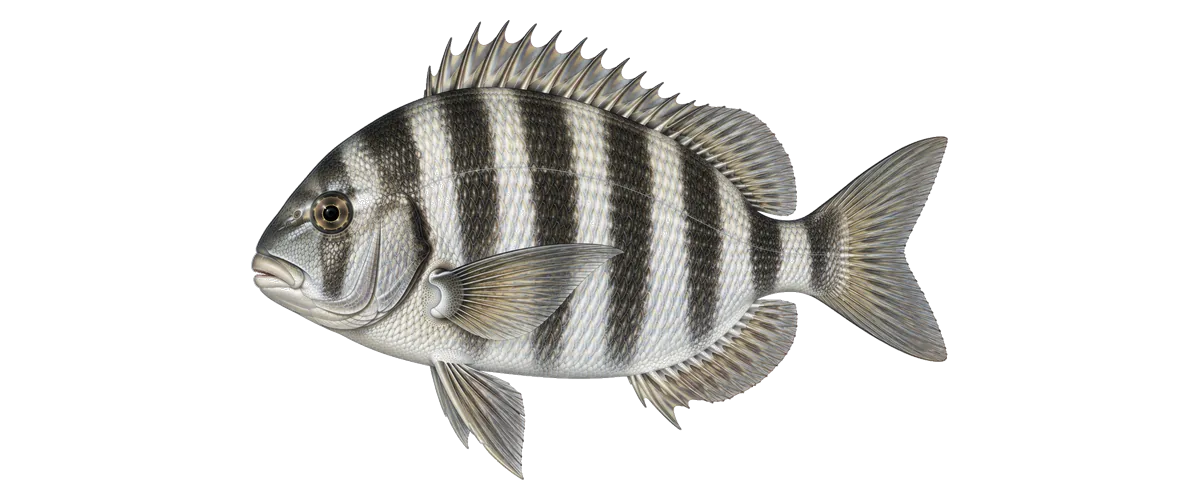
- What's caught: a DNR marine biologist and a local charter captain pointed JIA's magazine to the pier as the island's best spot for crabbing, and a place where a beginner can hook a sheepshead, whiting or flounder. The writer's daughter caught a croaker there on dead shrimp.
The Clam Creek footbridge, a short walk east of the pier, is on CRD's list of public fishing spots, and JIA's magazine calls it a crabbing hot spot. Go near high tide: at low water the creek gets too shallow. Follow Clam Creek's beach east and it turns into Driftwood Beach.
Taklbox Pro maps the coast's fishing piers and boat ramps, so you can see where to cast from before you drive over.
Where else to fish on Jekyll Island
JIA's magazine says Jekyll is dotted with shore-fishing spots, from St. Andrews Beach and Glory Beach parks at the south end to Oceanview Beach Park, and areas near Driftwood Beach at the north end.
- The beaches: whiting, redfish, flounder, croaker, small sharks and stingrays are commonly hooked from them in most seasons, JIA says, and large tripletail gather off Oceanview Beach Park in summer. For where fish hold in the surf, see how to read the surf.
- St. Andrews Picnic Area and Beach, at 100 St. Andrews Drive on the south end, is a bank-fishing spot on CRD's list. JIA says its shallows are the island's most popular place to seine shrimp.
- The Jekyll Creek piers, on the Downing Musgrove Causeway onto the island, are on CRD's list too.
Island rules that matter to anglers, from JIA:
- No fishing or swimming in the lakes and ponds, and stay at least 20 feet from any alligator.
- Flashlights have to be turtle-friendly, which matters if you fish the beach at night.
- Beach crossovers are numbered. In an emergency, call 911, tell the dispatcher you're on Jekyll Island, and give the number of the nearest crossover.
- Take everything with you. Belongings left on the beach overnight are thrown away.
The St. Simons Island Pier
- Where: the end of Mallery Street in the Pier Village, overlooking St. Simons Sound, with Jekyll about a mile across the water.
- On the pier: lights along its full length, tray tables and water hoses along the railings for cutting bait and cleaning fish, and benches.
- Bait and gear: a bait and tackle shop and a hardware store are a short walk away in the Pier Village.
- Rules: no bikes and no dogs on the pier.
The visitors bureau says it's one of only three ocean piers on the Georgia coast, with Jekyll's and the Tybee Island pier, and it runs a live webcam you can check before you go. CRD's speckled trout biologist notes that almost any public pier or dock in brackish or salt water holds speckled trout at some point.
Gould's Inlet, Gascoigne Bluff and the causeway
CRD lists these public spots on and around St. Simons:
- Gould's Inlet, at 2300 Bruce Drive, for bank fishing.
- Gascoigne Bluff Park, a pier on the Mackay River at the island end of the F.J. Torras Causeway. It faces west across the marsh toward Brunswick. The visitors bureau says to bring your own chairs, bait and gear.
- The F.J. Torras Causeway: a pier at the Back River Bridge, a catwalk at the Little River Bridge (turn right before the second bridge, headed east) and the Mackay River piers (turn right before the third bridge).
CRD's speckled trout biologist calls the causeway's bridges and banks popular spots from spring through fall.
Brunswick's fishing piers
In Brunswick, on the mainland, CRD's list includes these piers:
- Sidney Lanier Park, at 1 Coach Williams Way.
- Marshes of Glynn Overlook Park, at 1420 Glynn Avenue.
- The Clarence Hilburn Fishing Pier at Blythe Island Regional Park, off Interstate 95 at exit 29. The pier is by the marina on the South Brunswick River, and the marina's bait shop sells live and dead bait.
CRD gives out free fishing maps of the coastal counties at its Brunswick office, at One Conservation Way, and on its fishing maps page.
What bites when around Jekyll and St. Simons
From CRD's biologists and JIA:
| Season | What's biting | Where to look |
|---|---|---|
| All year | Whiting and croaker | The pier, the beaches, deeper creek holes |
| Winter (Dec. to Feb.) | Redfish, black drum, sheepshead, speckled trout, spot; fewer flounder | Shallow mudflats and oyster banks for reds, deep holes upriver for trout, bridges, piers and fallen trees for sheepshead and black drum |
| Spring (Mar. to May) | Speckled trout, then flounder | Beaches and the sound for trout, docks, bridges and shell beds for flounder |
| Summer (June to Aug.) | Flounder, speckled trout, tripletail, tarpon, sharks | Beaches for trout, structure for flounder, Oceanview Beach for tripletail |
| Fall (Sept. to Nov.) | Speckled trout at their best, bull redfish, flounder through October | The estuary, rivers and channels for trout, the sounds and beaches for bull reds |
Winter: sharks leave the sound, and tarpon and tripletail head back to Florida. CRD says redfish school up on shallow mudflats and oyster banks, and the clearer water makes it a good time to sight-cast to them. Speckled trout move away from the sound to deeper holes upriver and in the creeks. Sheepshead school up and feed hard before they move nearshore to spawn in late winter. Water temperatures usually sit in the 50s, and the bite is best on warmer days after a cold front.
Spring and summer: as the water warms, speckled trout feed more and move into saltier water along the beaches and in the sound, ahead of a spawn that runs from mid-April through September. Flounder peak from April through October, and CRD says they're most plentiful from early May through fall, moving into the shallow estuaries as the water warms.
Fall: CRD's trout biologist calls September through November the best months, when trout that have finished spawning move into the estuary and rivers to feed before winter. JIA's magazine adds that they gather in the channels with the first cool snaps. Big bull redfish spawn in the sounds and off the beaches in fall, then leave for the nearshore reefs.
Baits and rigs that work here
- Speckled trout: the most common bait is a live shrimp under a slip bobber, CRD's biologist says, and mudminnows and finger mullet work too. Paddletails, shrimp lures and curly tails on a jighead catch them under a popping cork or on a slow retrieve. Trout have soft mouths, so keep the drag loose. More in how to catch speckled trout.
- Redfish: live shrimp or mudminnows dragged on a jighead, or fiddler crabs and frozen shrimp on a circle hook on the bottom. In winter, CRD calls a saltwater spinnerbait one of the most underrated lures for reds.
- Sheepshead and black drum: fiddler crabs and oysters for sheepshead, fished tight to bridges, piers and fallen trees. See black drum vs sheepshead.
- Flounder: CRD suggests a Carolina rig with a 1/4- to 1-ounce egg sinker, a kahle hook and a fluorocarbon leader around docks and bridges, or a soft plastic swimbait dragged slowly on a jighead. Keep the bait on the bottom, with enough weight for the current. More in how to catch flounder.
- Whiting, spot and croaker: shrimp or squid on the bottom, in deeper creek holes in winter, on a Carolina or drop-shot rig with a 1- to 2-ounce weight.
Tackle: CRD's biologists suggest a 7-foot medium-light or medium spinning rod with a 2500-size reel, 15- to 20-pound braid and a fluorocarbon leader, and 2/0 to 4/0 circle hooks for trout and reds. Georgia's tides run strong, so bring a range of floats and weights.
Fishing the tides
- Speckled trout: on the higher tides, CRD's biologist finds them along the grass line over oyster beds. On the falling tide, fish the creek mouths, where trout wait at the rip for bait washing out.
- Flounder: they bite on any tide, but CRD says anglers do best in the middle of the falling tide, and the middle of the incoming is productive too.
- In winter: mudflats, oyster beds and shallow creeks hold heat through low tide, and fish stage beside them as the tide comes in. On the falling tide, look for outflows spilling that warmer water.
For redfish in particular, see the best tide for redfish.
Every catch Taklbox logs is saved with the tide it came on, so over a season your own log shows which tides work at which spot.
Crabbing on Jekyll and St. Simons
- Where: the Jekyll pier and the Clam Creek footbridge, and the St. Simons pier.
- How: JIA's magazine says to tie a chicken neck or fish head into a weighted crab basket, lower it from the pier into water at least a few feet deep, and raise it slowly every 15 to 20 minutes.
- The rules: crabbing takes the same license and SIP from 16, and Georgia's salt water is open to crabbing all year. Blue crabs have a minimum size and a daily limit, and egg-bearing females go back. The details are on CRD's shrimp and crab rules.
- Shrimp: the season for food shrimp opens and closes each year when DNR announces it, and seines and cast nets have their own gear rules and limits on the same CRD page.
The limits on what you keep
Georgia's saltwater limits come from CRD and cover state waters out to three nautical miles. Redfish are a gamefish in Georgia, so they can only be caught on a rod and reel or pole and line, and their rule changes on January 1, 2027, as the card notes:
Nearshore reefs are often in federal waters, where no red drum may be kept. If you hook a bull red, CRD asks you to support its body rather than hang it vertically, and to revive it in the current before letting it go. The 2027 change and the rest of Georgia's rules are in Georgia saltwater fishing regulations.
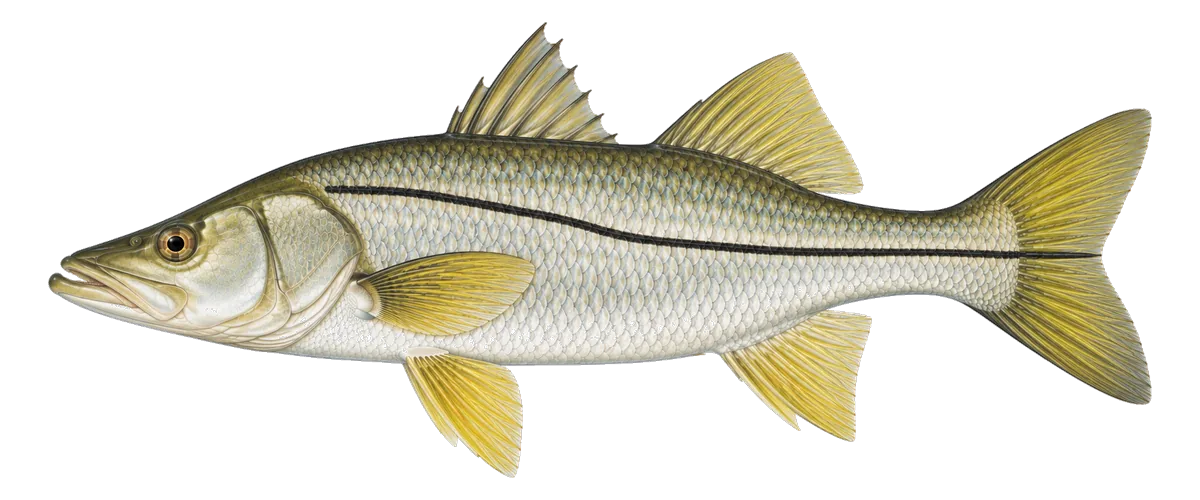
Speckled trout:
Sheepshead, which Georgia measures to the fork of the tail:
Flounder, under one rule that covers every flounder species:
Black drum:
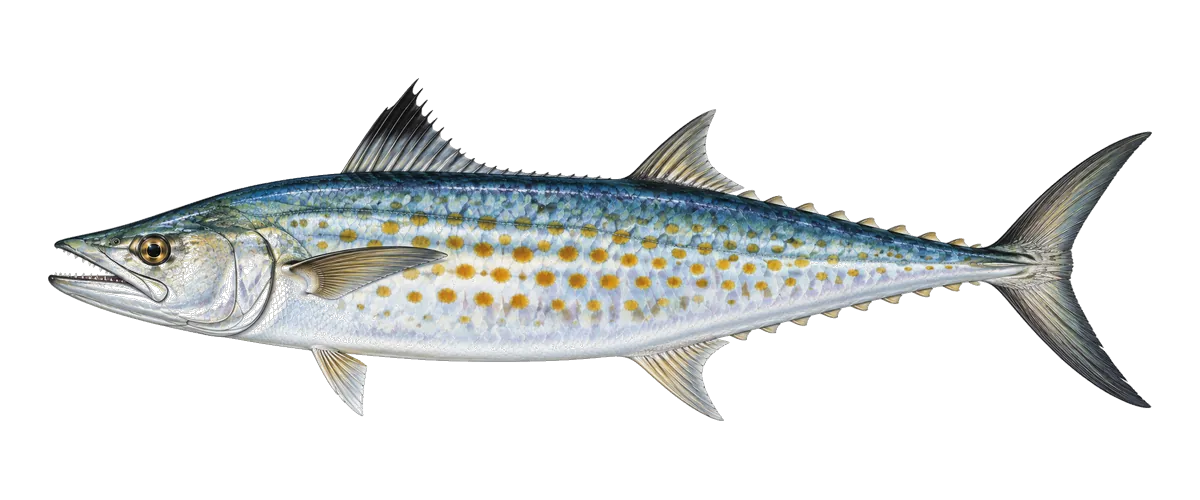
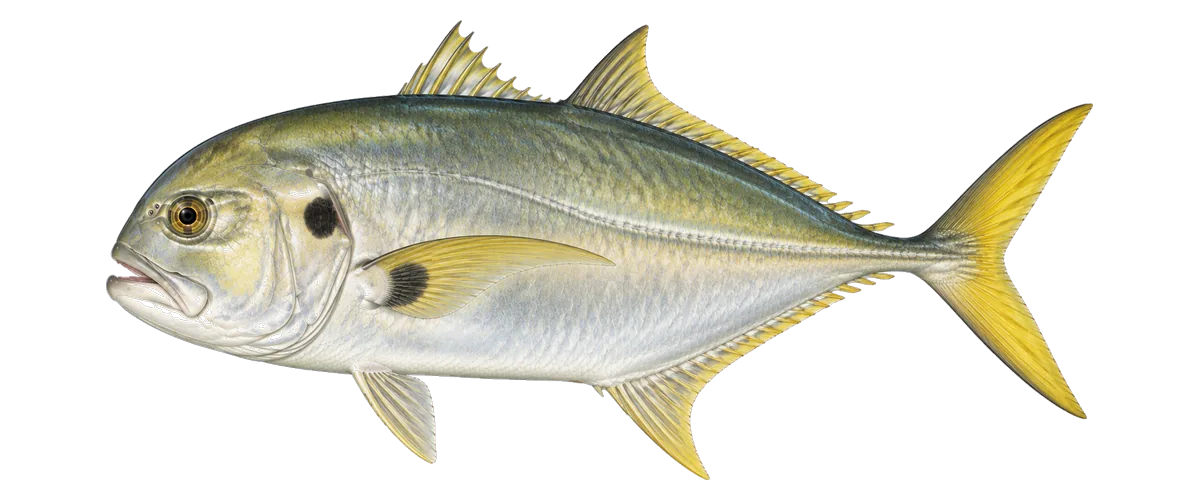
Tripletail, the summer fish off the beaches:
Snap the fish and Taklbox checks the size, bag and season rules on file where you caught it, with a link to CRD's limits every time.
Frequently asked questions
Can you fish on Jekyll Island?
Yes. The Jekyll Island Fishing Pier, the beaches from Driftwood Beach to St. Andrews, the Clam Creek footbridge and the Jekyll Creek piers are all open to anglers with a Georgia license and the SIP. Fishing isn't allowed in the island's lakes and ponds.
Does Jekyll Island have a fishing pier?
Yes, on the north end in the Clam Creek Picnic Area, with the Jekyll Island Fishing Center next door for bait, ice and tackle.
Do you need a fishing license to fish on Jekyll Island?
Yes, from age 16, plus the free SIP permit. That covers crabbing and shrimping too.
What can you catch off the Jekyll Island pier?
Sheepshead, whiting, flounder and croaker are common, and the pier is the island's best-known crabbing spot. Speckled trout turn up at most public piers at some point.
Is it free to fish the St. Simons pier?
Parking in the Pier Village is free, and the pier is public. All you need is a Georgia fishing license and the SIP.