The main place to fish on Tybee Island is the Tybee Pier and Pavilion, at Strand Avenue and Tybrisa Street on South Beach. The pier is open 6 a.m. to 11 p.m. and free to fish, so the only cost is parking. Two more public piers sit at Lazaretto Creek, beside the U.S. 80 bridge onto the island, and on Back River Beach at the south end, and the city's rules allow fishing from the beach. Anyone 16 or older needs a Georgia fishing license and the free Saltwater Information Program (SIP) permit.
Below: the license, the pier's hours, cost and rules, fishing the beach, the Back River pier and the north end, Lazaretto Creek and Fort Pulaski, the piers around Savannah, what bites each season, baits and rigs, the tides, crabbing, and the limits on what you keep.
Do you need a fishing license to fish on Tybee Island?
Yes, from age 16. Visit Tybee, the island's tourism site, puts it plainly: it's free to fish from the piers, but a Georgia fishing license is required. In salt water, the Georgia DNR's Coastal Resources Division (CRD) also requires the free SIP permit from every angler 16 and older. You add it when you buy the license, and it has to be renewed every year.
- There's no pier license. Georgia doesn't sell one, so all three Tybee piers take the regular license and the SIP.
- Crabs, shrimp and bait count. CRD requires the license and SIP to catch any seafood, whether you eat it or use it for bait.
- Prices and exemptions, from kids to seniors and visitors, are in do you need a fishing license in Georgia.
The Tybee Island fishing pier: hours, cost and rules
Chatham County runs the Tybee Pier and Pavilion. The first Tybrisa Pavilion went up in 1891 and burned in 1967. The county built the second one in 1996, and a long fishing pier now runs out from it. The Golden Isles visitors bureau counts it among only three ocean piers on the Georgia coast, with the Jekyll Island and St. Simons piers (see Jekyll Island fishing for those two).
- Hours: the fishing pier is open 6 a.m. to 11 p.m. The restrooms and the pavilion's other amenities open at 10 a.m.
- Cost to fish: none. Parking is the cost. The city charges $4 an hour through the ParkTYB app or a kiosk, and takes no cash or coins.
- When parking is charged: 8 a.m. to 8 p.m., every day of the year, weekends and holidays included. The pier's first two hours and last three fall outside that window. A $25 day pass, good until midnight, can be bought online up to 30 days ahead.
- On site: CRD's list of public fishing spots shows restrooms, a fish cleaning station, handicap parking and a paved path to the pier. The pavilion has a concession stand.
- Rules: no dogs except working service dogs, no glass of any kind, and no smoking or vaping on the pier or the beach. Jumping or diving off the pier is against city law too.
Taklbox Pro maps boat ramps and fishing piers, so you can see where to cast from before you drive out.
Can you fish on Tybee Island beach?
Yes. The City of Tybee Island's beach ordinance says nothing in it should be read as banning recreational fishing, or crabbing for blue crabs, that Georgia DNR's rules allow. The ordinance the city posts doesn't map out fishing zones on the sand. It bans fishing in one place: the 60-foot right-of-way at the Back River boat ramp at Alley 3.
The rest of the beach rules still apply to anglers, and a violation can bring a fine of up to $1,000:
- Give swimmers room. Swimming is allowed only within 50 yards of the water's edge, and disobeying a lifeguard's reasonable command is a violation. If a guard asks you to move your line, move.
- Nothing left unattended from 9 p.m. to 7 a.m. City crews can remove chairs, coolers and other gear left on the sand overnight.
- No dogs, glass, fires or smoking, and that includes the pier and the crossovers.
- No driving on the beach, trucks and ATVs included.
- Stay off rocks and jetties posted with signs, and out of the dunes and sea oats.
- Don't clean fish in the restroom sinks. The ordinance names fish specifically.
Stay off the south end sandbar. Walking, swimming or wading out to the sandbar past the warning signs at the south end is illegal. The city says the area looks inviting but is very dangerous, because the current can quickly overpower people on a rising tide.
For reading the beach itself, the troughs, bars and cuts where fish feed, see how to read the surf.
The Back River fishing pier and the south end
- Where: 10 Fishermans Walk, on Back River Beach at the island's south end.
- On site: CRD lists restrooms, handicap parking, a paved path and wheelchair cutouts in the rails. Visit Tybee says parking near Chatham Avenue and Fishermans Walk is limited and metered.
- The boat ramp: the city's Back River ramp at Alley 3 is off-limits to fishing within its 60-foot right-of-way.
Little Tybee Island, the uninhabited nature preserve south of Tybee, has no bridge. Visit Tybee recommends its uncrowded beach for fishing if you have a boat or kayak to get there.
The north end and the jetty by the lighthouse
CRD lists the jetty near the Tybee Lighthouse, on the north end, as a bank-fishing spot with handicap parking. If the rocks are posted, fish from the beach beside them, since walking or climbing on posted rocks and jetties is against city law. CRD's flounder guide lists jetties and rocks among the structure flounder lie beside.
Visit Tybee puts North Beach's main parking lot at 37 Meddin Drive, with restrooms at the North Beach Plaza near the lighthouse.
Lazaretto Creek pier and Fort Pulaski
The Lazaretto Creek Fishing Pier is at the far end of the Lazaretto Creek boat ramp's parking lot, on the south side of U.S. 80 between the Fort Pulaski entrance and the bridge onto Tybee.
- Hours and cost: dawn to dusk, seven days a week, and free. Fort Pulaski's entrance fee doesn't apply here.
- Who runs it: the National Park Service (NPS), Chatham County and Georgia DNR manage the site together. DNR added the pier in the 1990s.
- Access: a boardwalk with paved access, restrooms, and wheelchair cutouts in the rails.
- Rules: park only in marked spaces, and don't fish from the boat ramp.
Fort Pulaski National Monument, on Cockspur Island where the Savannah River's north and south channels meet, has two more spots. The park's entrance fee applies to both.
- The base of the Cockspur Island bridge, on the rocks, from dawn to dusk. Fishing from the bridge itself is banned during park hours.
- The West End Fishing Area, on the river's North Channel, near its gravel parking lot only, during park hours, 9 a.m. to 5 p.m.
NPS rules that catch anglers out:
- No fishing in the fort's moat, the feeder canals or the ditches.
- No collecting fiddler crabs, a top sheepshead bait, so bring your own.
- No unattended crab traps, and stay out of the marsh.
- Oysters only from Oyster Creek, and only with a permit.
- Dogs on a leash of 6 feet or less.
- Watch your footing. The rocks are slippery and the oyster shells sharp. Bring sunscreen and bug spray, since there's little shade.
CRD also lists the McQueen's Island trail, the old rail line beside U.S. 80, for bank fishing. NPS says only the stretch west of the Fort Pulaski entrance is open. The rest was closed for good after storm damage.
Fishing piers around Savannah
Back toward Savannah, CRD's list of public fishing spots and Chatham County's parks include:
- The Frank O. Downing Fishing Pier, on the Diamond Causeway to Skidaway Island.
- Butter Bean Beach and the Rodney J. Hall boat ramp, at 25 Diamond Causeway, with restrooms.
- Frank W. Spencer Park's pier, on the Islands Expressway.
- The Thunderbolt Fishing Pier, on Mechanics Avenue in Thunderbolt.
- The Herbert Battise Observation Pier at Coffee Bluff.
- King's Ferry and Salt Creek, south of the city off Ogeechee Road, both with a boat ramp and a fishing pier. King's Ferry adds restrooms, a playground and a pavilion.
- Bell's Landing, with a pier and a boat ramp at 12450 Apache Avenue.
Farther south, in Richmond Hill, Fort McAllister State Park has piers on the Ogeechee River and Redbird Creek. CRD hands out free fishing maps of the coastal counties on its fishing maps page.
What bites at Tybee, season by season
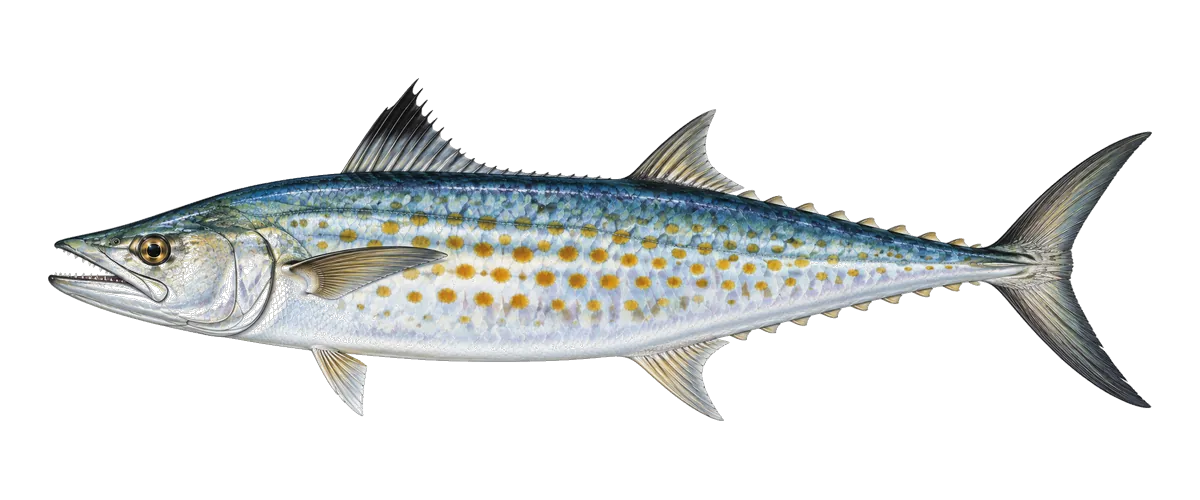
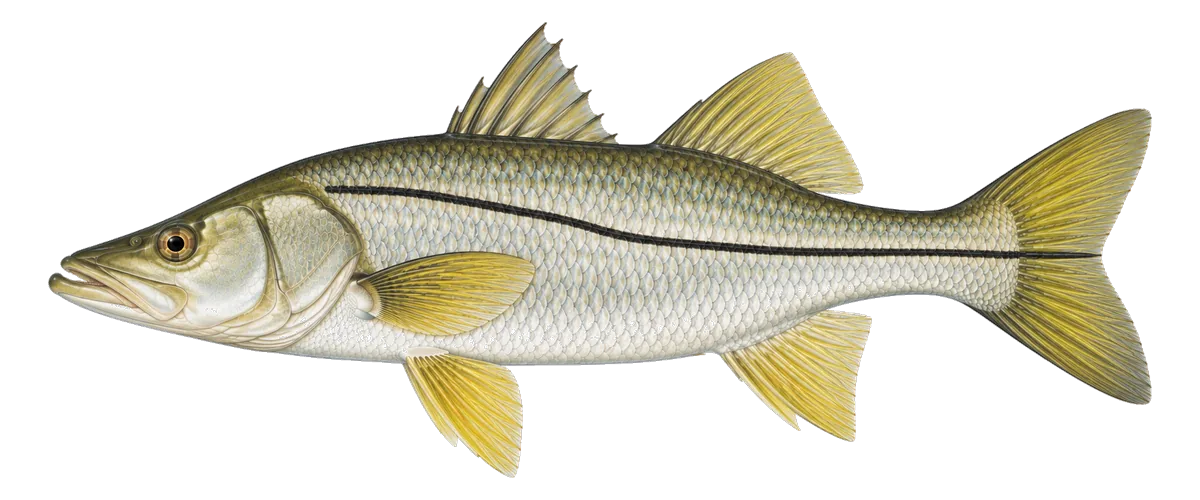
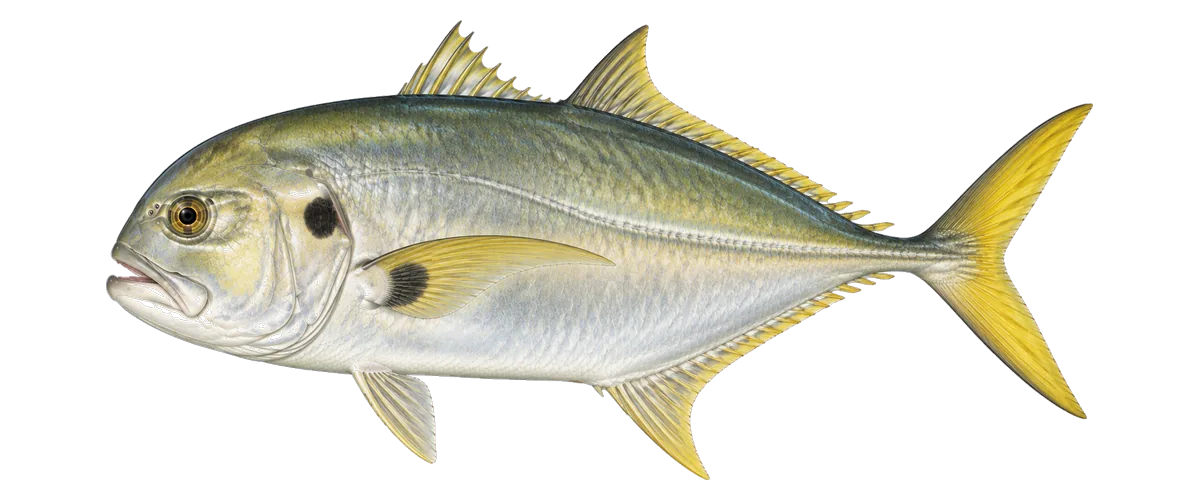
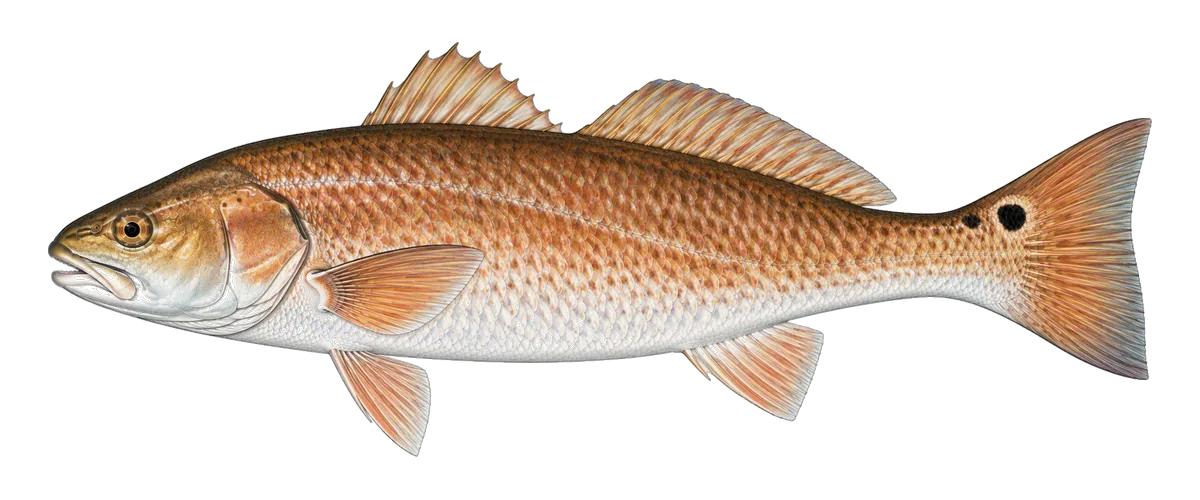
The Park Service lists red drum, black drum, speckled trout, southern flounder, bluefish, Spanish mackerel, tarpon, ladyfish, black sea bass, spot and croaker among the fish around Fort Pulaski, next door to Tybee. Visit Tybee adds stingrays. What's biting shifts with the water temperature. From CRD's biologists:
| Season | What's biting | Where to look |
|---|---|---|
| Winter (Dec. to Feb.) | Redfish, black drum, sheepshead, speckled trout, whiting, spot and croaker; fewer flounder | Mudflats and oyster banks for reds, deep creek holes for trout and bottom fish, bridges and piers for sheepshead and black drum |
| Spring (Mar. to May) | Speckled trout, then flounder | The beaches and the sound for trout, docks, bridges and rocks for flounder |
| Summer (June to Aug.) | Flounder, speckled trout, tarpon, tripletail, sharks | Structure for flounder, the beaches for trout |
| Fall (Sept. to Nov.) | Speckled trout at their best, bull redfish, flounder through October | The estuary and rivers for trout, the sounds and beaches for bull reds |
Fall: CRD's trout biologist calls September through November the best months for speckled trout, when fish that have finished spawning move into the estuary and rivers to feed before winter. Big bull redfish spawn in the sounds and off the beaches in fall, then leave for the nearshore reefs.
Winter: sharks leave the sound, and tarpon and tripletail head back to Florida. Redfish school up on shallow mudflats and oyster banks, and the clearer winter water makes it a good time to sight-cast to them. Speckled trout leave the sound for deeper holes upriver and in the creeks. Sheepshead school and feed hard before moving nearshore to spawn in late winter. The water usually sits in the 50s, and the bite is best on the warmer days after a cold front.
Spring and summer: as the water warms, speckled trout feed more and move into saltier water along the beaches and in the sound, ahead of a spawn that runs from mid-April through September. Flounder peak from April through October and are most plentiful from early May on, moving into the shallow estuaries as the water warms.
Baits and rigs for Tybee
- Speckled trout: a live shrimp under a slip bobber is the most common bait, CRD's trout biologist says, and mudminnows and finger mullet work too. Paddletails and shrimp lures on a jighead catch them under a popping cork, and a topwater plug is worth throwing early in the morning. Trout have very soft mouths, so keep the drag loose. More in how to catch speckled trout.
- Redfish: live shrimp or mudminnows dragged on a jighead, or fiddler crabs and frozen shrimp on a circle hook on the bottom. In winter, CRD calls a saltwater spinnerbait one of the most underrated lures for reds.
- Sheepshead and black drum: fiddler crabs and oysters for sheepshead, fished tight to pilings and bridges. See black drum vs sheepshead to tell them apart.
- Flounder: CRD suggests a Carolina rig with a 1/4- to 1-ounce egg sinker, a kahle hook and a fluorocarbon leader around docks and bridges, or a soft plastic swimbait dragged slowly on a jighead. Use enough weight to hold the bottom in the current. More in how to catch flounder.
- Whiting, spot and croaker: shrimp or squid on the bottom, on a Carolina or drop-shot rig with a 1- to 2-ounce weight.
- Bluefish: carry swivels and leader, CRD's biologist says, for when toothy fish like blues are around.
Tackle: CRD's biologists suggest a 7-foot medium-light or medium spinning rod with a 2500-size reel, braid with a fluorocarbon leader, and 2/0 to 4/0 circle hooks for trout and reds. With a small cast net you can often catch your own bait right from the shore. Georgia's tides run strong, so pack a range of floats and weights.
Fishing the tides at Tybee
- Speckled trout: on the higher tides, CRD's trout biologist finds them along the grass line over oyster beds. On the falling tide, fish the creek mouths, where trout wait for bait washing out.
- Flounder: they bite on any tide, but CRD says anglers do best in the middle of the falling tide, and the middle of the incoming is good too.
- In winter: mudflats, oyster beds and shallow creeks hold the day's heat through low tide, and fish stage beside them as the tide comes back in. On the falling tide, look for outflows spilling that warmer water.
- On the beach: the rising tide is when the current at the south end sandbar turns dangerous, so watch the water around you, not just your rod tip.
For redfish in particular, see the best tide for redfish.
Every catch Taklbox logs is saved with the tide it came on, so a season of trips shows which tides work at which pier.
Crabbing at Tybee
- It's allowed. Tybee's beach rules make room for crabbing for blue crabs under DNR's rules, and Georgia's salt water is open to recreational crabbing all year, at any hour.
- The license: the same fishing license and SIP from 16.
- The rules: blue crabs have a minimum size, egg-bearing crabs go back, and there's a daily limit per person and per boat. The details are on CRD's shrimp and crab rules, with the cast net rules for shrimp and bait.
- At Fort Pulaski, crab traps can't be left unattended.
For how to crab with a basket and a chicken neck, see the crabbing section of Jekyll Island fishing.
The limits on what you keep
Georgia's saltwater limits come from CRD and cover state waters out to three nautical miles. Redfish are a gamefish in Georgia, so they can only be caught on a rod and reel or pole and line, and their rule changes on January 1, 2027, as the card notes:
Nearshore reefs are often in federal waters, where no red drum may be kept. If you hook a bull red, CRD asks you to support its body rather than hang it vertically, and to revive it in the current before letting it go. The 2027 change and the rest of Georgia's rules are in Georgia saltwater fishing regulations.
Speckled trout:
Sheepshead, which Georgia measures to the fork of the tail:
Flounder, under one rule that covers every flounder species:
Black drum:
Bluefish, the one fish here with a closed season:
Atlantic sturgeon, which the Park Service lists in the waters around Fort Pulaski, can't be kept at all in Georgia. Release any you hook.
Snap the fish and Taklbox names the species, then checks the size, bag and season rules on file where you caught it, with a link to CRD's limits every time.
Frequently asked questions
Is it free to fish off the Tybee pier?
Yes. There's no charge to fish the pier, only the city's parking fee, which is charged from 8 a.m. to 8 p.m. You still need a Georgia fishing license and the SIP from age 16.
What are the Tybee pier fishing hours?
The fishing pier is open 6 a.m. to 11 p.m. The Lazaretto Creek pier is open dawn to dusk.
Can you fish on Tybee Island beach?
Yes. The city's beach rules allow recreational fishing and crabbing under DNR's rules. Fish clear of swimmers, stay off the south end sandbar, and don't leave gear on the sand from 9 p.m. to 7 a.m.
Do you need a fishing license to fish at Tybee Island?
Yes, from age 16, plus the free SIP permit. That covers the piers, the beach and crabbing.
What can you catch at Tybee Island?
Redfish, black drum, speckled trout, flounder, sheepshead, whiting, spot, croaker, bluefish and Spanish mackerel, depending on the season. Tarpon and tripletail turn up in summer.